


By interlink | 02/10/2025
.png)

.png)
.png)
.png)
US Government at Risk of Shutdown: Essential Transportation Continues, But Risks Remain.
In the event of a U.S. government shutdown, essential freight operations such as port and border inspections are expected to continue, but non-core services could be disrupted, causing delays and risks to the supply chain.
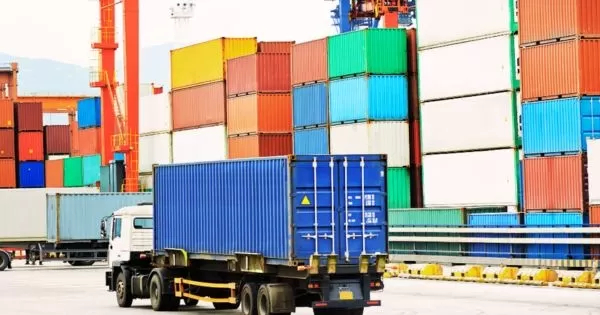
In the event of a federal government shutdown, most essential freight operations are not expected to be affected. This is because the agencies operating these programs are often funded by separate mechanisms such as the Highway Trust Fund, or their employees are considered “essential” and will continue working.
However, this year, the Trump administration has threatened to use the shutdown as a pretext for further federal staff cuts, creating uncertainty about the extent of the impact on government employees, including those working at agencies under the U.S. Department of Transportation (DOT).
Jameson Rice, a transport attorney and partner at the law firm Holland & Knight, said: “The Department of Transport’s specialized agencies are largely responsible for safety functions, so whenever you cut from there, you risk reducing safety. That might not be felt immediately, but it will be in the long run.”
Essential Operations Remain Ongoing
According to the latest contingency plans, short-term safety functions related to domestic freight transport will continue, including:
- Road inspections conducted by the Federal Motor Transport Safety Administration (FMCSA).
- Rail accident investigations and safety recommendations by the Federal Railroad Administration (FRA).
- The U.S. Maritime Administration’s (MARAD) ship and port infrastructure security programs will continue to utilize “remaining budget balances.”
- Inspection of imported goods at land and sea borders is handled by the U.S. Customs and Border Protection (CBP), with approximately 93% of personnel retained.
- Ship inspections and port security are performed by the U.S. Coast Guard, with approximately 95% of personnel retained.
Risk of Delays from Other Agencies
While most CBP personnel are considered essential, this may not be true for other agencies that also oversee cargo inspections, such as the Food and Drug Administration (FDA), the Environmental Protection Agency (EPA), the Department of Agriculture (USDA), and the Consumer Product Safety Commission (CPSC). Activities such as on-site investigations, product testing, and recalls by the CPSC could be halted, potentially disrupting the supply chain.
Cindy Allen, an international trade consultant and former CBP executive, shared: “What is sometimes not considered essential is that additional inspections of shipments may be required and carried out by government agencies other than CBP.”
“So, products subject to government oversight may require additional review or inspection which could be affected, meaning there is a potential for slowing down the flow of goods,” she added.
Specific Impact on Regulatory Agencies
- Federal Maritime Commission (FMC): Will be heavily impacted. According to the plan, all “work aimed at advancing the agency’s mission to ensure a competitive and reliable international shipping supply system, support the U.S. economy, and protect the public from unfair and fraudulent practices” will be halted.
- Surface Shipping Board (STB): Activities related to processing applications, filing legal documents, and most litigation are likely to be suspended. This could impact the timeline for reviewing the $85 billion merger between Union Pacific and Norfolk Southern.
NEWS & BLOG
RELATED ARTICLES
STRAIT OF HORMUZ NEARLY PARALYZED: ONLY 4 VESSELS PASSED THROUGH IN ONE DAY
According to Reuters, only four commercial vessels passed through the Strait of Hormuz on September 15, compared with an average of around 125–140 vessels per day before the conflict. The sharp decline in maritime traffic is raising significant concerns for global shipping, supply chains, and energy markets. The Strait of Hormuz is one of the […]

INTERLINK MINI DANCE CHALLENGE – CLOSING THE DANCE COURSE WITH CONNECTION AND MEMORABLE MOMENTS
On September 15, 2026, Interlink organized the “Mini Dance Challenge”, a dance competition marking the closing of a training course for valued partners and Interlink employees after 12 sessions of learning and practice. More than just a platform for participants to showcase the dance moves they had developed throughout the course, the event was also […]
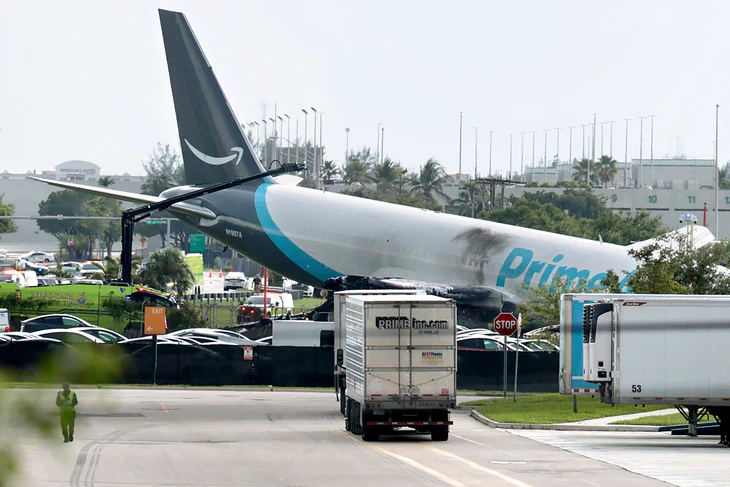
AMAZON SUSPENDS OPERATIONS WITH 21 AIR FOLLOWING MIAMI CARGO PLANE CRASH
Amazon has announced that it is temporarily suspending operations with cargo airline 21 Air following a serious accident at Miami International Airport in the United States. On September 6, 2026, a Boeing 767-300 operated by 21 Air as part of the Amazon Air network crashed while landing at Miami International Airport. The aircraft subsequently collided […]
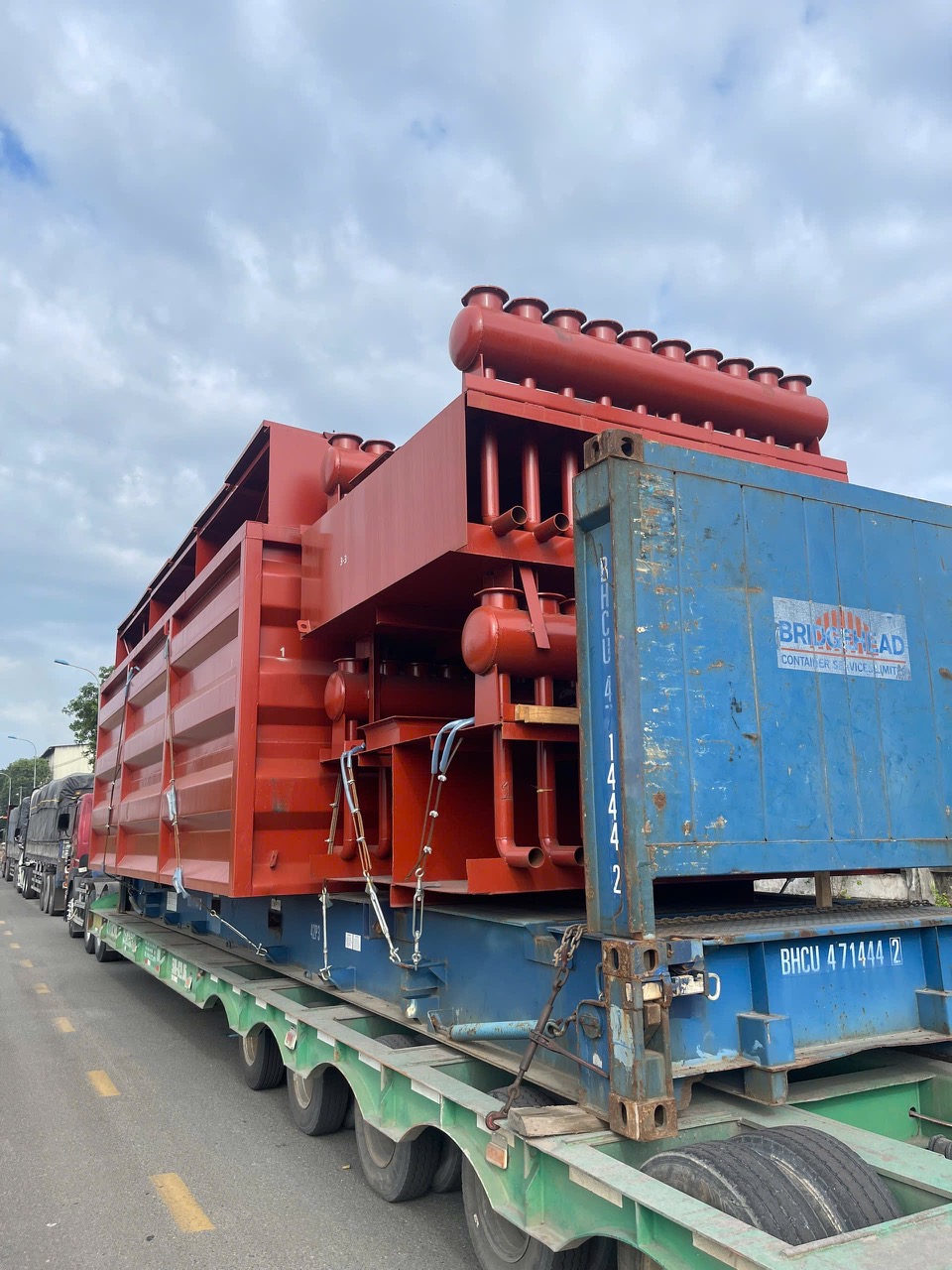
INTERLINK COMPLETES BOILER SYSTEM TRANSPORTATION PROJECT FROM CHINA TO MY XUAN A INDUSTRIAL PARK
In project logistics, transporting large-scale industrial equipment with complex structures requires more than simply moving cargo from one location to another. It requires careful planning, appropriate transportation solutions, strict cargo securing procedures, and close coordination throughout the entire logistics process. Interlink has recently completed the transportation of a steel boiler system from China to My […]
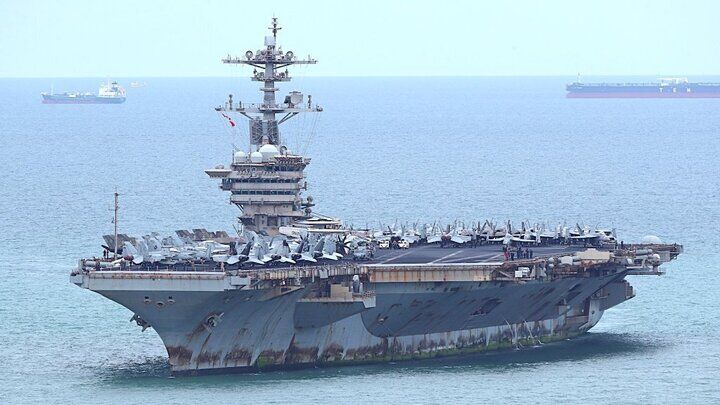
286 DAYS AT SEA: US AIRCRAFT CARRIER SHOWS SIGNS OF AN ARDUOUS JOURNEY
After 286 consecutive days at sea, the nuclear-powered aircraft carrier USS Abraham Lincoln arrived at Laem Chabang Port in Thailand on September 2. Images taken after its arrival showed large areas of rust and marine growth around the ship’s waterline, providing visible evidence of the long period the vessel spent operating at sea. USS Abraham […]
218,000 BARRELS/DAY AT RISK OF SHORTAGE: MARINE FUEL SUPPLIES COME UNDER PRESSURE
The global marine fuel market is facing a potential supply shortage in Q3 2026 as refineries come under pressure from prolonged geopolitical conflicts and supply disruptions. According to Reuters, the shortfall in fuel oil used by ships and power plants could reach 218,000 barrels per day, a sharp increase from just around 6,000 barrels per […]
7 EXPORT PRODUCTS EXCEEDING USD 10 BILLION IN THE FIRST 8 MONTHS OF 2026
In the first eight months of 2026, seven major Vietnamese export product groups recorded export values exceeding USD 10 billion, reaffirming the strong momentum of Vietnam’s exports and the growing position of Vietnamese products in international markets. Leading the way was Computers, Electronic Products and Components, with an export value of USD 101.059 billion, accounting […]
AFTER SEPTEMBER 2: HOW ARE FUEL PRICE FLUCTUATIONS AFFECTING LOGISTICS AND FREIGHT TRANSPORTATION?
Following the September 2 holiday, fuel prices in Vietnam have continued to attract attention from the transportation and logistics industry. While gasoline prices have increased, diesel prices have moved in the opposite direction, creating different impacts across the freight transportation sector. For transportation companies, fuel is one of the largest operating expenses, particularly for road […]

VIETNAM HAS A 150,000-HECTARE BAY – THE “FORGOTTEN PARADISE” ATTRACTING MORE THAN VND 65 TRILLION IN INVESTMENT
Did you know that Vietnam is home to a bay spanning up to 150,000 hectares, featuring exceptional natural landscapes and enormous potential for marine economic development? Once described as a “forgotten paradise,” this area is gradually being revitalized as it attracts more than VND 65 trillion in investment. Beyond its tourism value, the bay also […]

VIETNAM – UK: STRENGTHENING COOPERATION IN AI, FINTECH AND LOGISTICS
The Vietnam–UK High-Level Conference on Artificial Intelligence, Financial Technology, Commodity Derivatives Markets and Logistics highlighted new opportunities for cooperation in sectors that are increasingly shaping economic growth and global integration. Logistics was identified as a key link in the global supply chain. The integration of technology, data and modern financial solutions is creating new opportunities […]

Contact Us
Get Solutions Now
We respond to all requests within 24 hours.
 0937 48 18 98


