


By interlink | 07/09/2026
.png)

.png)
.png)
.png)
218,000 BARRELS/DAY AT RISK OF SHORTAGE: MARINE FUEL SUPPLIES COME UNDER PRESSURE
The global marine fuel market is facing a potential supply shortage in Q3 2026 as refineries come under pressure from prolonged geopolitical conflicts and supply disruptions.
According to Reuters, the shortfall in fuel oil used by ships and power plants could reach 218,000 barrels per day, a sharp increase from just around 6,000 barrels per day during the same period last year.
Why is marine fuel supply tightening?
- Refineries are prioritizing higher-margin products such as diesel and gasoline, reducing the amount of fuel oil available for the shipping industry.
- Meanwhile, conflicts in the Middle East and attacks on Russian refining facilities continue to disrupt refining operations and crude oil transportation.
- Notably, Asia is expected to be among the hardest-hit regions, given its heavy reliance on oil flows from the Gulf region. Singapore, one of the world’s major bunkering hubs, is particularly vulnerable to supply disruptions.
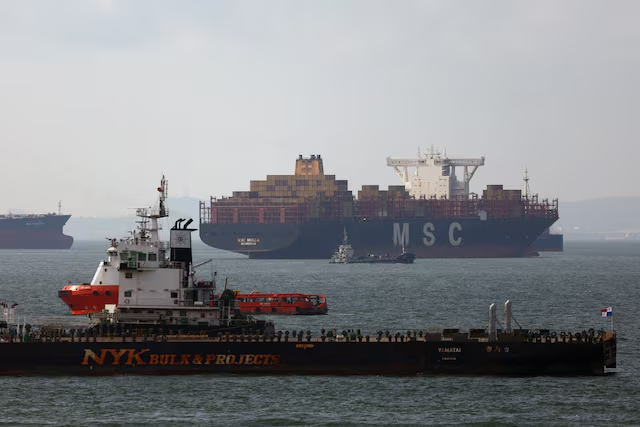
Source: Reuters
Fuel inventories at major hubs including Singapore, Amsterdam-Rotterdam-Antwerp and Fujairah are currently around 30% below seasonal averages.
Meanwhile, Singapore VLSFO prices have risen by approximately 76% since the Iran conflict began, significantly outpacing the roughly 40% increase in Brent crude prices.
What does this mean for the logistics industry?
Fuel is one of the key components of maritime transportation costs. As bunker prices rise, vessel operating costs and freight rates are likely to come under increasing pressure.
If the shortage persists, importers and exporters may face:
• Higher ocean freight costs
• Potential adjustments to fuel surcharges
• Rising logistics and overall supply chain costs
• Greater pressure on shipping plans and transportation budgets
With shipping routes through the Middle East still facing ongoing risks, marine fuel is becoming a key factor for import-export businesses to monitor in the final months of 2026.
Businesses should proactively monitor fuel price movements, vessel schedules and shipping surcharges to optimize logistics planning and better control transportation costs.
NEWS & BLOG
RELATED ARTICLES
7 EXPORT PRODUCTS EXCEEDING USD 10 BILLION IN THE FIRST 8 MONTHS OF 2026
In the first eight months of 2026, seven major Vietnamese export product groups recorded export values exceeding USD 10 billion, reaffirming the strong momentum of Vietnam’s exports and the growing position of Vietnamese products in international markets. Leading the way was Computers, Electronic Products and Components, with an export value of USD 101.059 billion, accounting […]
AFTER SEPTEMBER 2: HOW ARE FUEL PRICE FLUCTUATIONS AFFECTING LOGISTICS AND FREIGHT TRANSPORTATION?
Following the September 2 holiday, fuel prices in Vietnam have continued to attract attention from the transportation and logistics industry. While gasoline prices have increased, diesel prices have moved in the opposite direction, creating different impacts across the freight transportation sector. For transportation companies, fuel is one of the largest operating expenses, particularly for road […]

VIETNAM HAS A 150,000-HECTARE BAY – THE “FORGOTTEN PARADISE” ATTRACTING MORE THAN VND 65 TRILLION IN INVESTMENT
Did you know that Vietnam is home to a bay spanning up to 150,000 hectares, featuring exceptional natural landscapes and enormous potential for marine economic development? Once described as a “forgotten paradise,” this area is gradually being revitalized as it attracts more than VND 65 trillion in investment. Beyond its tourism value, the bay also […]
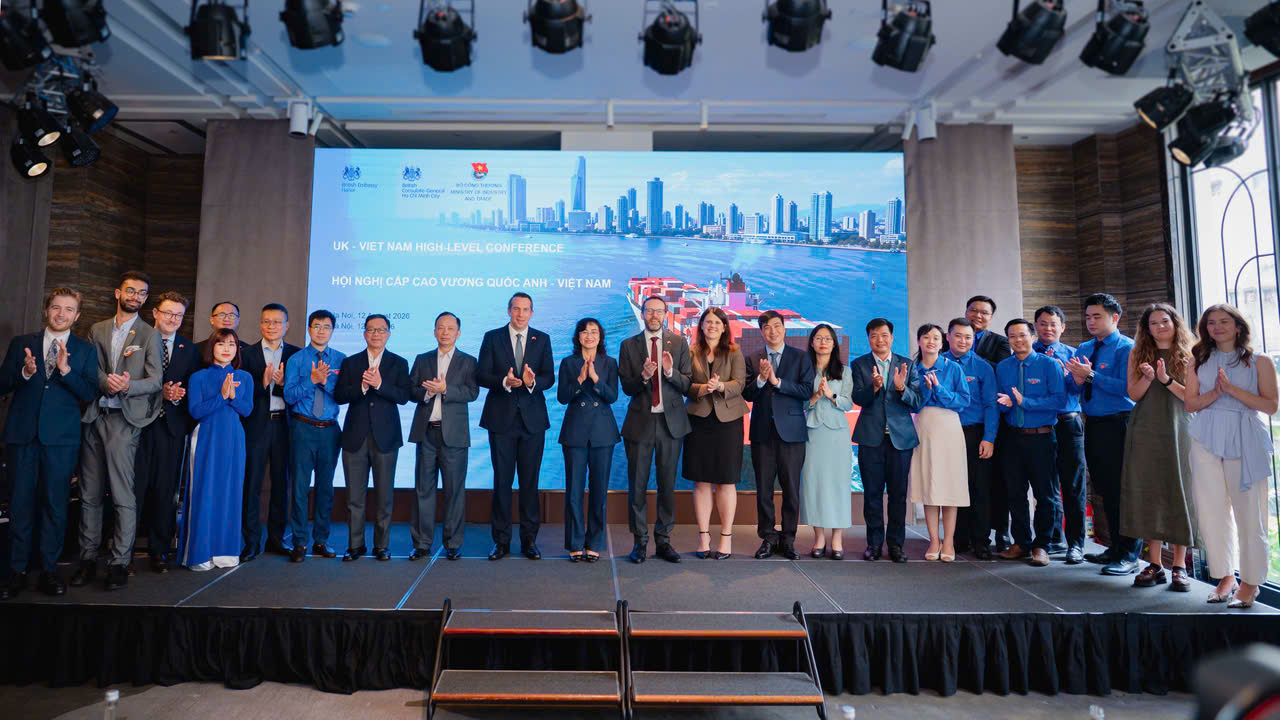
VIETNAM – UK: STRENGTHENING COOPERATION IN AI, FINTECH AND LOGISTICS
The Vietnam–UK High-Level Conference on Artificial Intelligence, Financial Technology, Commodity Derivatives Markets and Logistics highlighted new opportunities for cooperation in sectors that are increasingly shaping economic growth and global integration. Logistics was identified as a key link in the global supply chain. The integration of technology, data and modern financial solutions is creating new opportunities […]
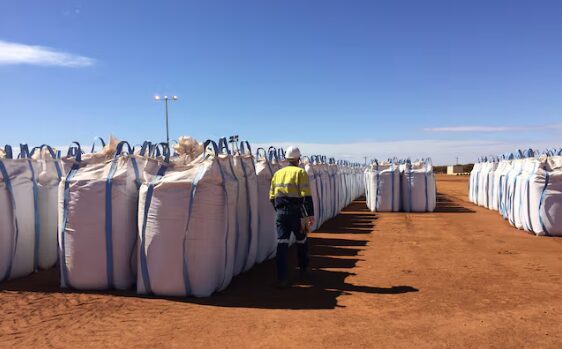
NEARLY 1 MILLION TONS OF CASHEWS FROM CAMBODIA ENTER VIETNAM: A KEY LINK IN THE GLOBAL EXPORT SUPPLY CHAIN
Vietnam continues to strengthen its position as one of the world’s major cashew processing and export hubs. Notably, a significant share of the raw materials used by the industry comes from abroad, with Cambodia emerging as Vietnam’s most important source of supply. According to data from the first seven months of 2026: • Vietnam’s cashew […]
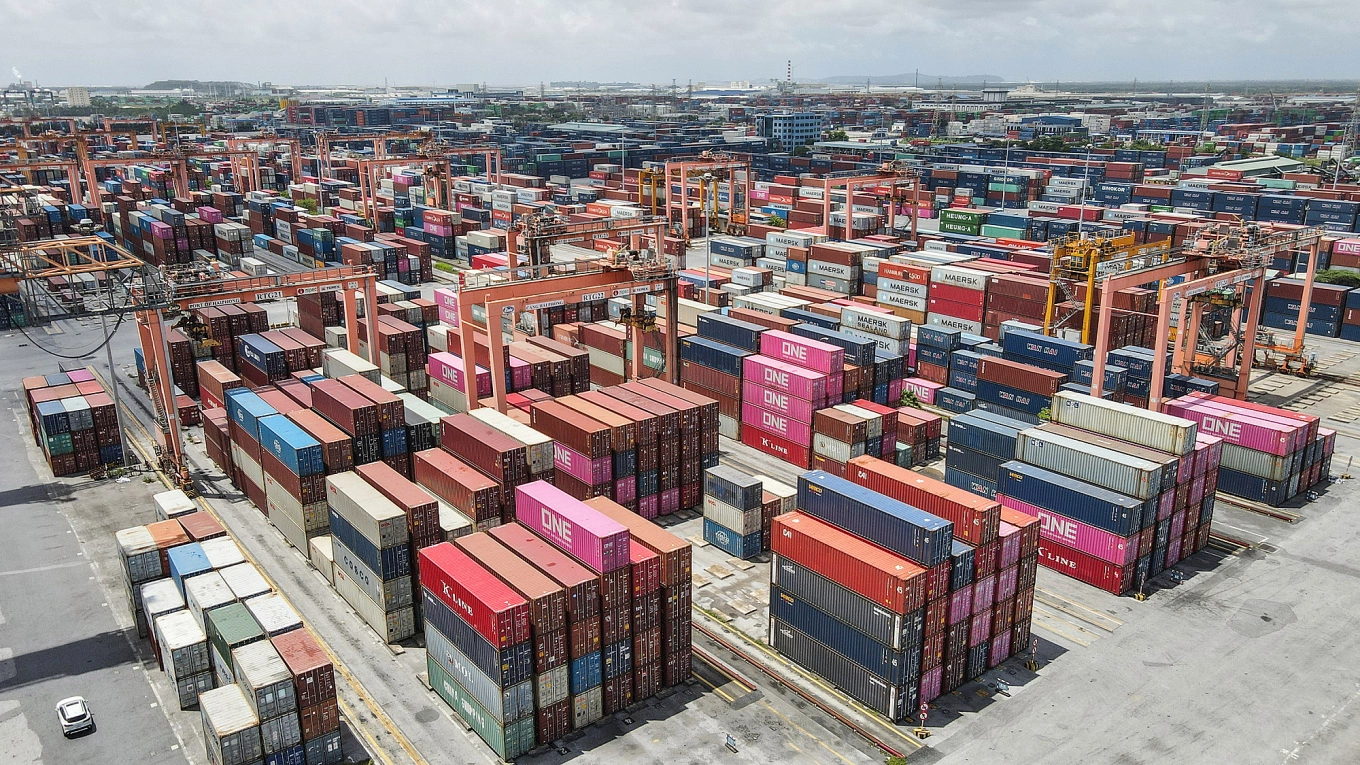
FROM JULY 1, 2026: CUSTOMS DECLARATION ERRORS MAY RESULT IN FINES OF UP TO VND 40 MILLION
Decree No. 169/2026/ND-CP has officially taken effect, replacing Decree No. 128/2020/ND-CP with several important changes to penalties for customs violations. Key points for import and export businesses: The new regulation introduces different penalty levels ranging from VND 1 million to VND 40 million, depending on the nature of the violation: VND 1–2 million: Incorrect declaration […]
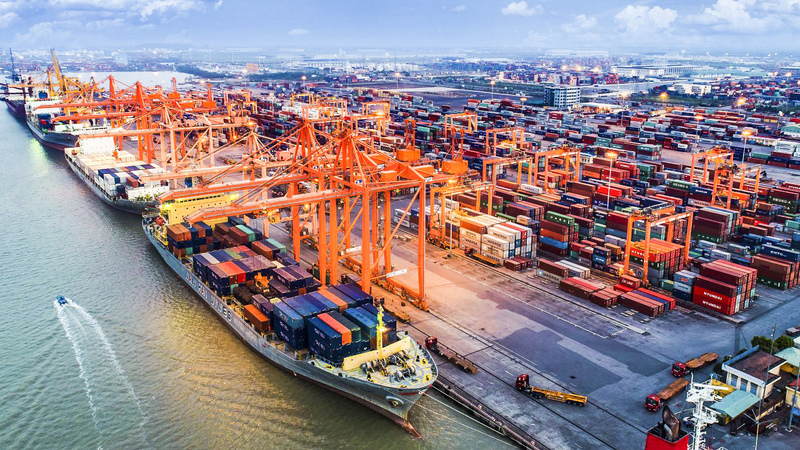
OFFICIAL: May 6 Recognized as Vietnam Logistics Day
The Minister of Industry and Trade has officially issued Decision No. 1065 dated May 6, 2026, recognizing Vietnam Logistics Day and Vietnam Logistics Week. Under the decision, May 6 each year will be officially recognized as Vietnam Logistics Day, while the week including May 6 will be designated as Vietnam Logistics Week. According to the […]
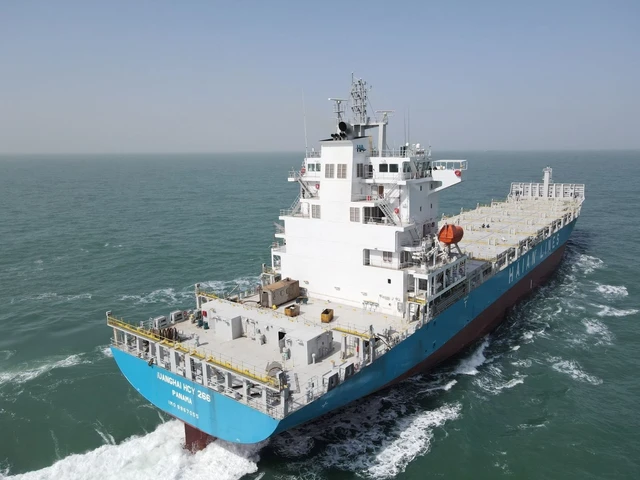
VIETNAM OFFICIALLY WELCOMES THE LARGEST CONTAINER “GIANT” IN ITS NATIONAL FLEET
With a total investment of nearly VND 3 trillion, the container vessel Haian Beta has officially become the new giant of Vietnam’s maritime transport industry. • Deadweight of over 24,000 DWT• Capacity of nearly 1,800 TEUs• Height equivalent to a 15-story building• Maximum speed of 18.5 knots This vessel is part of the fleet expansion […]
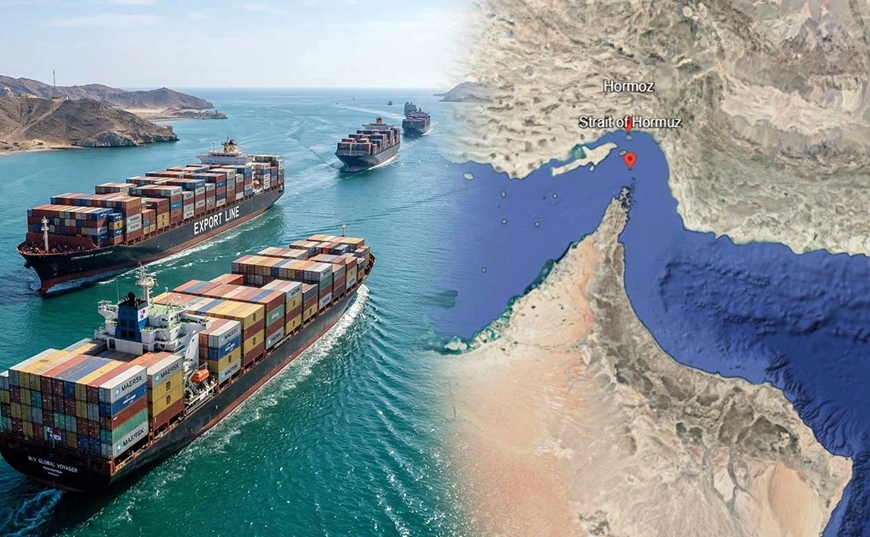
IRAN TIGHTENS CONTROL OVER THE STRAIT OF HORMUZ WITH NEW “NO MAIL – NO PASSAGE” SYSTEM
Amid escalating tensions in the Middle East, Iran has officially introduced a new mechanism to regulate maritime traffic through the Strait of Hormuz — one of the world’s most strategic shipping chokepoints. Under the new system, all vessels intending to transit the strait must first receive official guidance via email and obtain prior authorization before […]
MSC LAUNCHES NEW SHIPPING ROUTE TO BYPASS HORMUZ STRAIT, ENSURING GLOBAL TRADE FLOW
Amid escalating geopolitical tensions in the Strait of Hormuz—one of the world’s most critical maritime routes—global container shipping leader Mediterranean Shipping Company (MSC) has swiftly introduced a new logistics solution to mitigate risks and maintain supply chain stability. Specifically, MSC has launched the Europe – Red Sea – Middle East Express service, connecting European ports […]

Contact Us
Get Solutions Now
We respond to all requests within 24 hours.
 0937 48 18 98


