


By interlink | 04/09/2026
.png)

.png)
.png)
.png)
AFTER SEPTEMBER 2: HOW ARE FUEL PRICE FLUCTUATIONS AFFECTING LOGISTICS AND FREIGHT TRANSPORTATION?
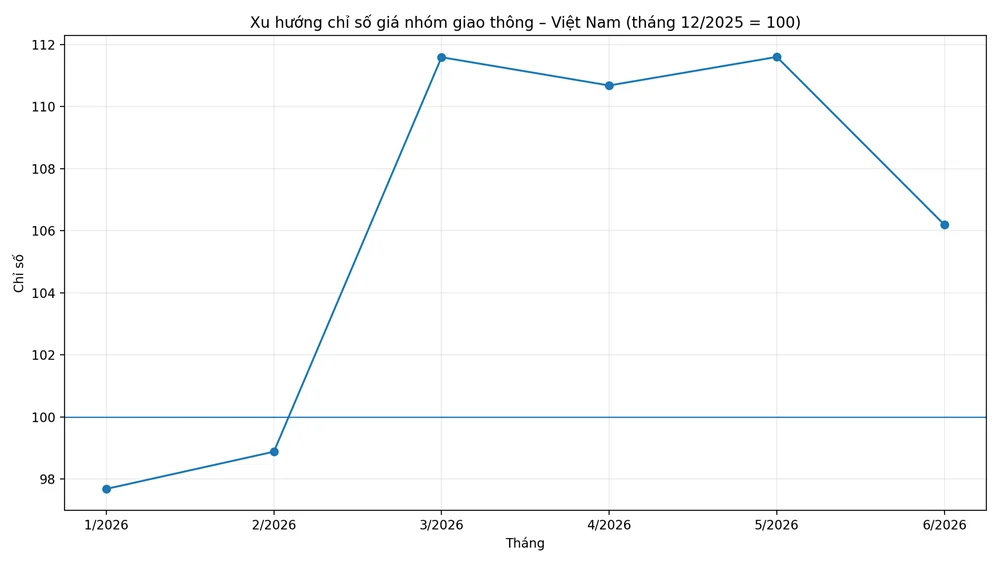
Following the September 2 holiday, fuel prices in Vietnam have continued to attract attention from the transportation and logistics industry. While gasoline prices have increased, diesel prices have moved in the opposite direction, creating different impacts across the freight transportation sector.
For transportation companies, fuel is one of the largest operating expenses, particularly for road freight, heavy-duty trucks, and container vehicles. Therefore, every change in fuel prices can directly affect operating costs, freight rates, and overall business efficiency.
However, fuel prices are not the only factor determining transportation costs. Labor expenses, vehicle depreciation, maintenance, road tolls, terminal and warehouse fees, waiting time, empty runs, and vehicle utilization rates all contribute significantly to the overall cost of logistics operations.
This raises an important question:
IF FUEL PRICES FALL, WILL FREIGHT RATES FALL AS WELL?
The answer is not necessarily.
According to logistics experts, fuel can account for around 30–40% of total vehicle operating costs, particularly for heavy trucks and container vehicles. As a result, significant fluctuations in fuel prices can have a substantial impact on transportation costs and profit margins.
However, fuel represents only one component of the overall cost structure.
Labor, depreciation, maintenance, toll fees, parking and terminal charges, waiting time, empty vehicle movements, and load utilization also have a direct impact on freight rates.
Therefore, a 10% increase in fuel prices does not necessarily mean that freight rates will rise by 10%. Likewise, a decrease in fuel prices does not automatically translate into an immediate reduction in transportation charges.
One important factor is the time lag between changes in input costs and freight rate adjustments.
For transportation contracts negotiated on a monthly or quarterly basis, companies may have to absorb higher operating costs for a certain period in order to maintain contracts and long-term customer relationships.
This can create considerable pressure, particularly for transportation companies operating on narrow profit margins or relying heavily on fixed routes.
FROM FUEL PRICES TO PRODUCT PRICES: THE IMPACT GOES BEYOND TRANSPORTATION
Fuel price fluctuations affect logistics through a connected chain of costs.
When fuel prices rise, vehicle operating costs increase. Higher costs per shipment put pressure on transportation expenses. If freight rates are subsequently adjusted, logistics costs for importers, exporters, manufacturers, distributors, and retailers may also increase.
Ultimately, part of these additional costs may be reflected in the final price of goods.
However, the level of impact varies depending on the type of cargo, transportation mode, delivery distance, and the ability of each business to optimize its supply chain.
For goods transported over long distances and heavily dependent on road freight, the impact of fuel price fluctuations tends to be more significant.
In contrast, businesses capable of combining road transportation with sea, rail, or inland waterway transport may have greater flexibility in managing logistics costs.
A KEY CONCERN: VIETNAM’S LOGISTICS SECTOR REMAINS HIGHLY DEPENDENT ON ROAD TRANSPORT
According to information cited in the article, transportation costs currently account for approximately 50–60% of total logistics costs, while road transportation handles more than 70% of the country’s freight volume.
These figures highlight why fuel price fluctuations can put significant pressure on the entire supply chain.
As long as road transportation remains dominant, logistics companies will inevitably remain exposed to changes in fuel prices.
External factors such as global oil price movements, geopolitical tensions, supply disruptions, and instability along international shipping routes can also trigger new cost shocks.
Therefore, the fuel price story after September 2 is not simply about whether gasoline or diesel prices are rising or falling.
It raises a broader question:
HOW CAN VIETNAM’S LOGISTICS INDUSTRY REDUCE ITS DEPENDENCE ON A SINGLE TRANSPORTATION MODE AND STRENGTHEN ITS RESILIENCE AGAINST COST FLUCTUATIONS?
OPTIMIZING LOGISTICS: IT IS NOT JUST ABOUT REDUCING FUEL COSTS
In an environment where input costs continue to fluctuate, logistics companies need to shift their focus from simply “responding to fuel prices” toward optimizing their entire operational process.
Route optimization, reducing empty runs, improving vehicle utilization, using technology to manage fleets, minimizing waiting time, and strengthening connections between different transportation modes can all help reduce the cost per shipment.
In the long term, developing multimodal transportation is also considered an important strategy to reduce pressure on road infrastructure, optimize costs, and strengthen supply chain resilience.
For importers and exporters, choosing a logistics partner capable of providing flexible transportation solutions, integrating multiple transportation modes, and optimizing every stage of the journey will become increasingly important.
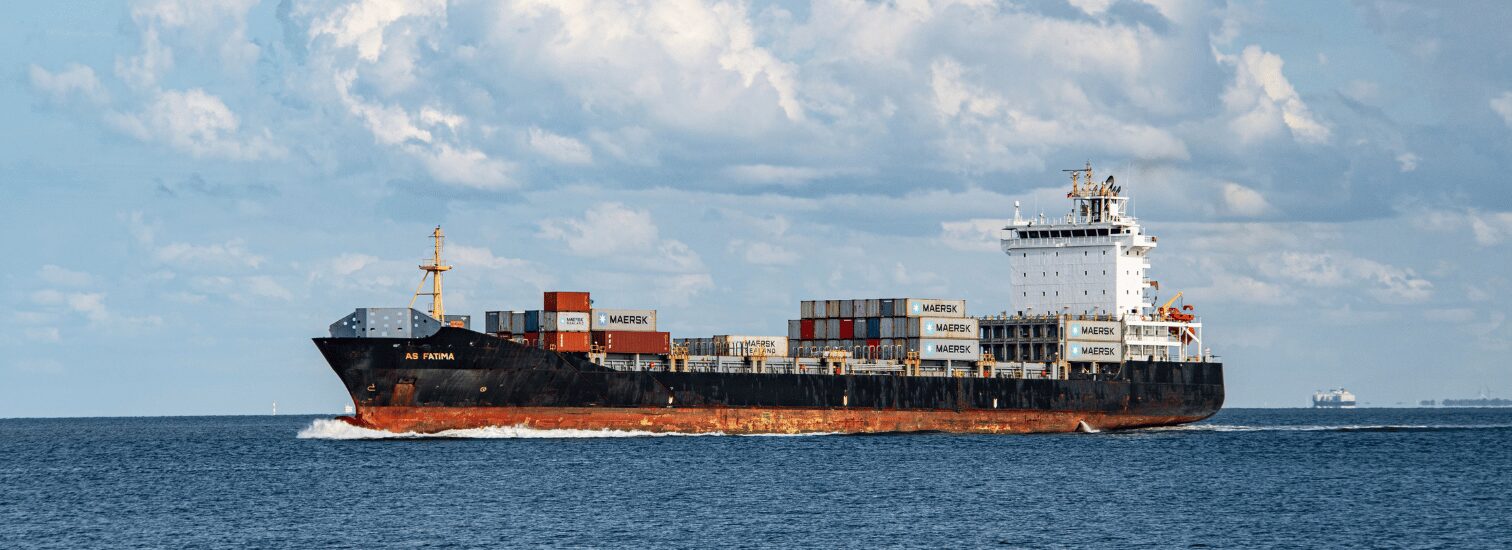
FUEL PRICES MAY RISE OR FALL FROM ONE PRICE-SETTING PERIOD TO ANOTHER, BUT THE CHALLENGE OF OPTIMIZING LOGISTICS COSTS IS HERE TO STAY.
As supply chains face an increasing number of unpredictable challenges, the ability to control costs and proactively develop transportation solutions will become one of the key factors determining a company’s competitiveness.
INTERLINK – KEEPING BUSINESSES UPDATED ON MARKET DEVELOPMENTS AND SUPPORTING THEM IN OPTIMIZING THEIR SUPPLY CHAINS.
NEWS & BLOG
RELATED ARTICLES

VIETNAM HAS A 150,000-HECTARE BAY – THE “FORGOTTEN PARADISE” ATTRACTING MORE THAN VND 65 TRILLION IN INVESTMENT
Did you know that Vietnam is home to a bay spanning up to 150,000 hectares, featuring exceptional natural landscapes and enormous potential for marine economic development? Once described as a “forgotten paradise,” this area is gradually being revitalized as it attracts more than VND 65 trillion in investment. Beyond its tourism value, the bay also […]
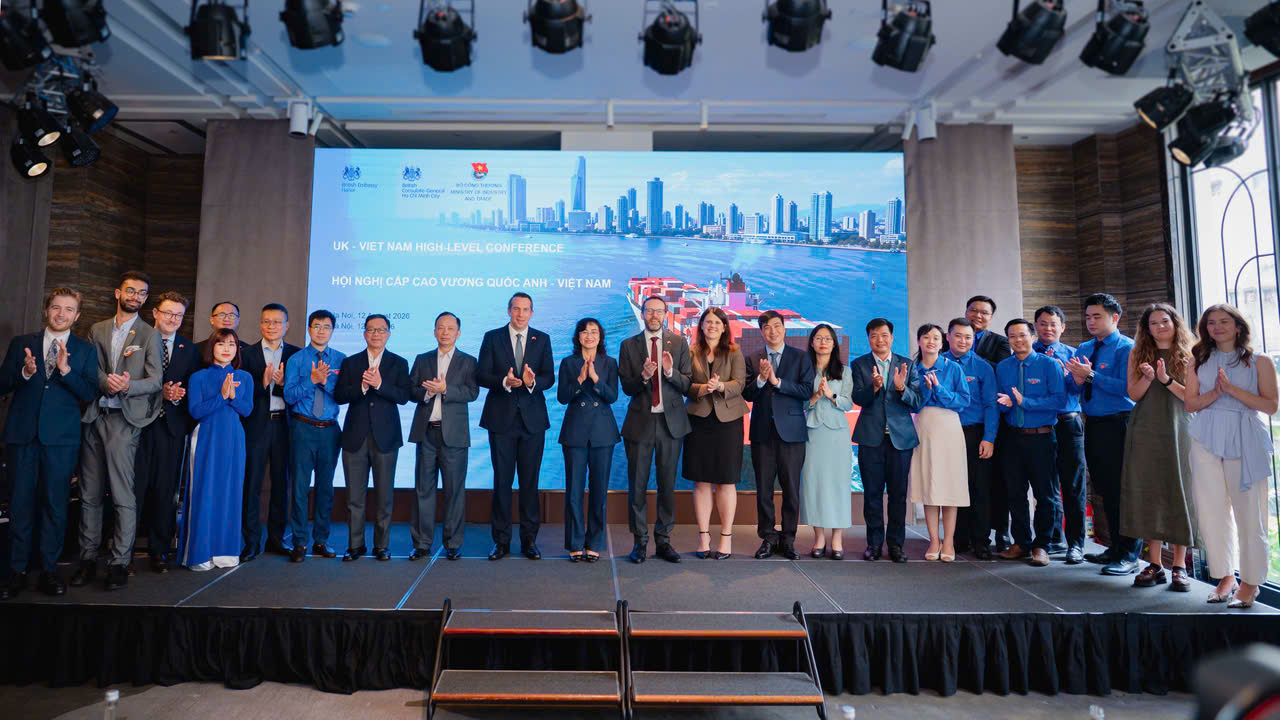
VIETNAM – UK: STRENGTHENING COOPERATION IN AI, FINTECH AND LOGISTICS
The Vietnam–UK High-Level Conference on Artificial Intelligence, Financial Technology, Commodity Derivatives Markets and Logistics highlighted new opportunities for cooperation in sectors that are increasingly shaping economic growth and global integration. Logistics was identified as a key link in the global supply chain. The integration of technology, data and modern financial solutions is creating new opportunities […]
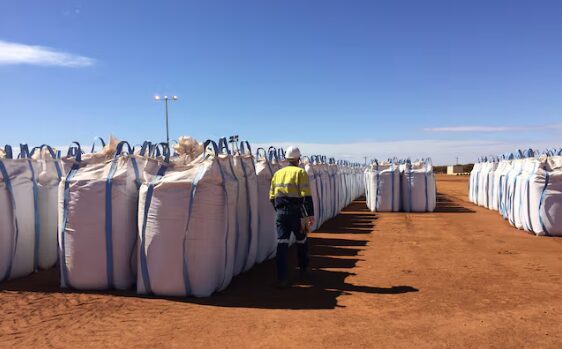
NEARLY 1 MILLION TONS OF CASHEWS FROM CAMBODIA ENTER VIETNAM: A KEY LINK IN THE GLOBAL EXPORT SUPPLY CHAIN
Vietnam continues to strengthen its position as one of the world’s major cashew processing and export hubs. Notably, a significant share of the raw materials used by the industry comes from abroad, with Cambodia emerging as Vietnam’s most important source of supply. According to data from the first seven months of 2026: • Vietnam’s cashew […]
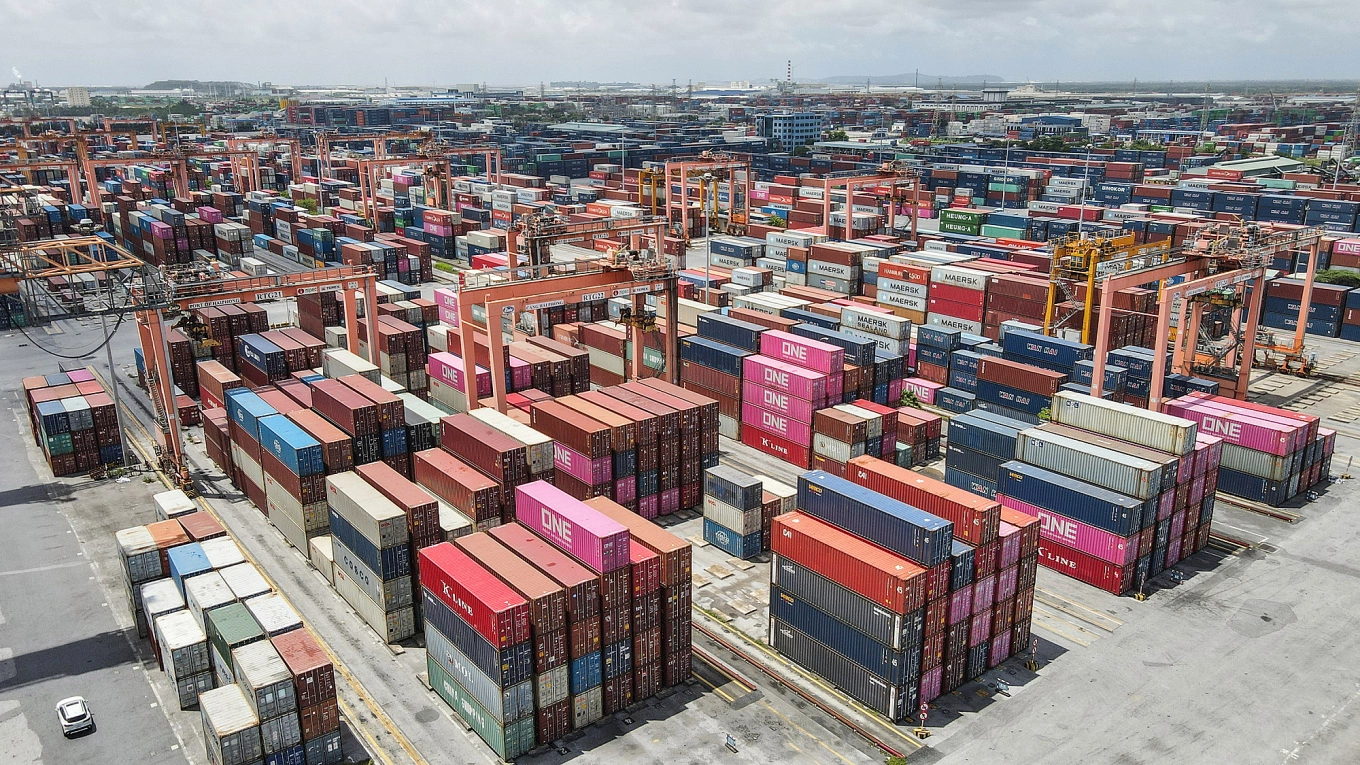
FROM JULY 1, 2026: CUSTOMS DECLARATION ERRORS MAY RESULT IN FINES OF UP TO VND 40 MILLION
Decree No. 169/2026/ND-CP has officially taken effect, replacing Decree No. 128/2020/ND-CP with several important changes to penalties for customs violations. Key points for import and export businesses: The new regulation introduces different penalty levels ranging from VND 1 million to VND 40 million, depending on the nature of the violation: VND 1–2 million: Incorrect declaration […]
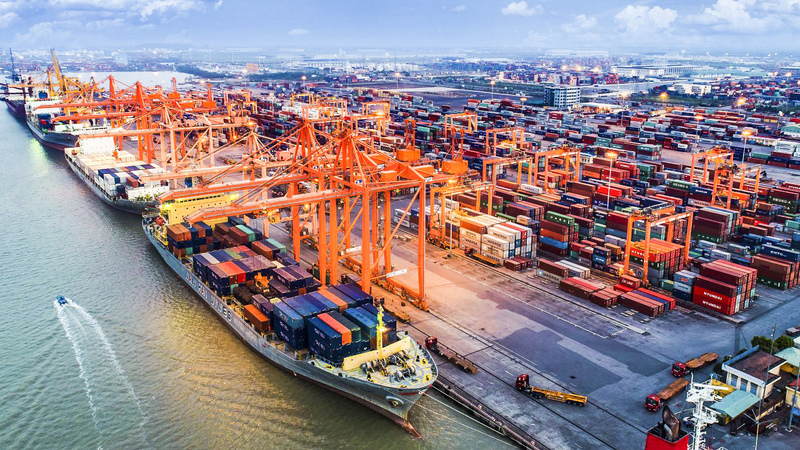
OFFICIAL: May 6 Recognized as Vietnam Logistics Day
The Minister of Industry and Trade has officially issued Decision No. 1065 dated May 6, 2026, recognizing Vietnam Logistics Day and Vietnam Logistics Week. Under the decision, May 6 each year will be officially recognized as Vietnam Logistics Day, while the week including May 6 will be designated as Vietnam Logistics Week. According to the […]
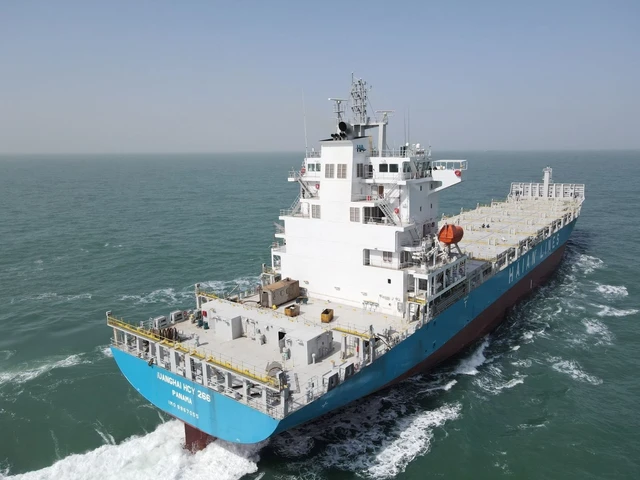
VIETNAM OFFICIALLY WELCOMES THE LARGEST CONTAINER “GIANT” IN ITS NATIONAL FLEET
With a total investment of nearly VND 3 trillion, the container vessel Haian Beta has officially become the new giant of Vietnam’s maritime transport industry. • Deadweight of over 24,000 DWT• Capacity of nearly 1,800 TEUs• Height equivalent to a 15-story building• Maximum speed of 18.5 knots This vessel is part of the fleet expansion […]
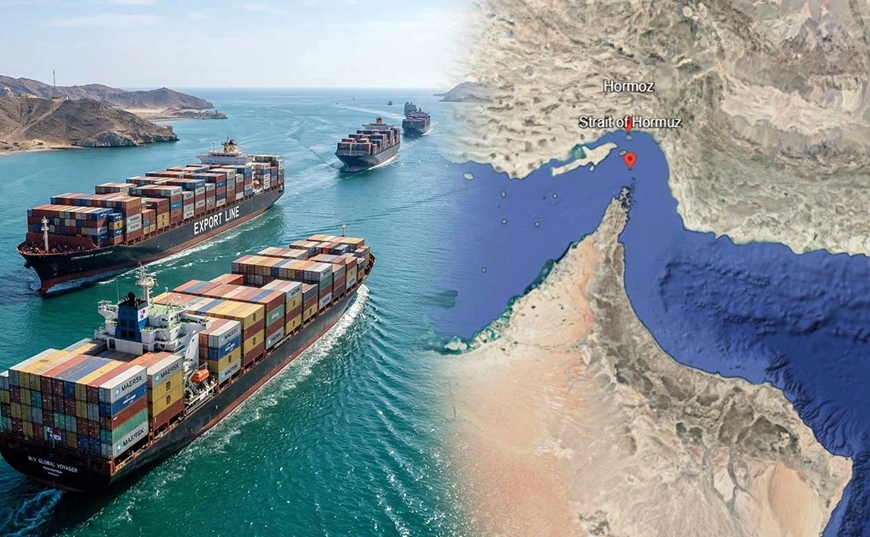
IRAN TIGHTENS CONTROL OVER THE STRAIT OF HORMUZ WITH NEW “NO MAIL – NO PASSAGE” SYSTEM
Amid escalating tensions in the Middle East, Iran has officially introduced a new mechanism to regulate maritime traffic through the Strait of Hormuz — one of the world’s most strategic shipping chokepoints. Under the new system, all vessels intending to transit the strait must first receive official guidance via email and obtain prior authorization before […]
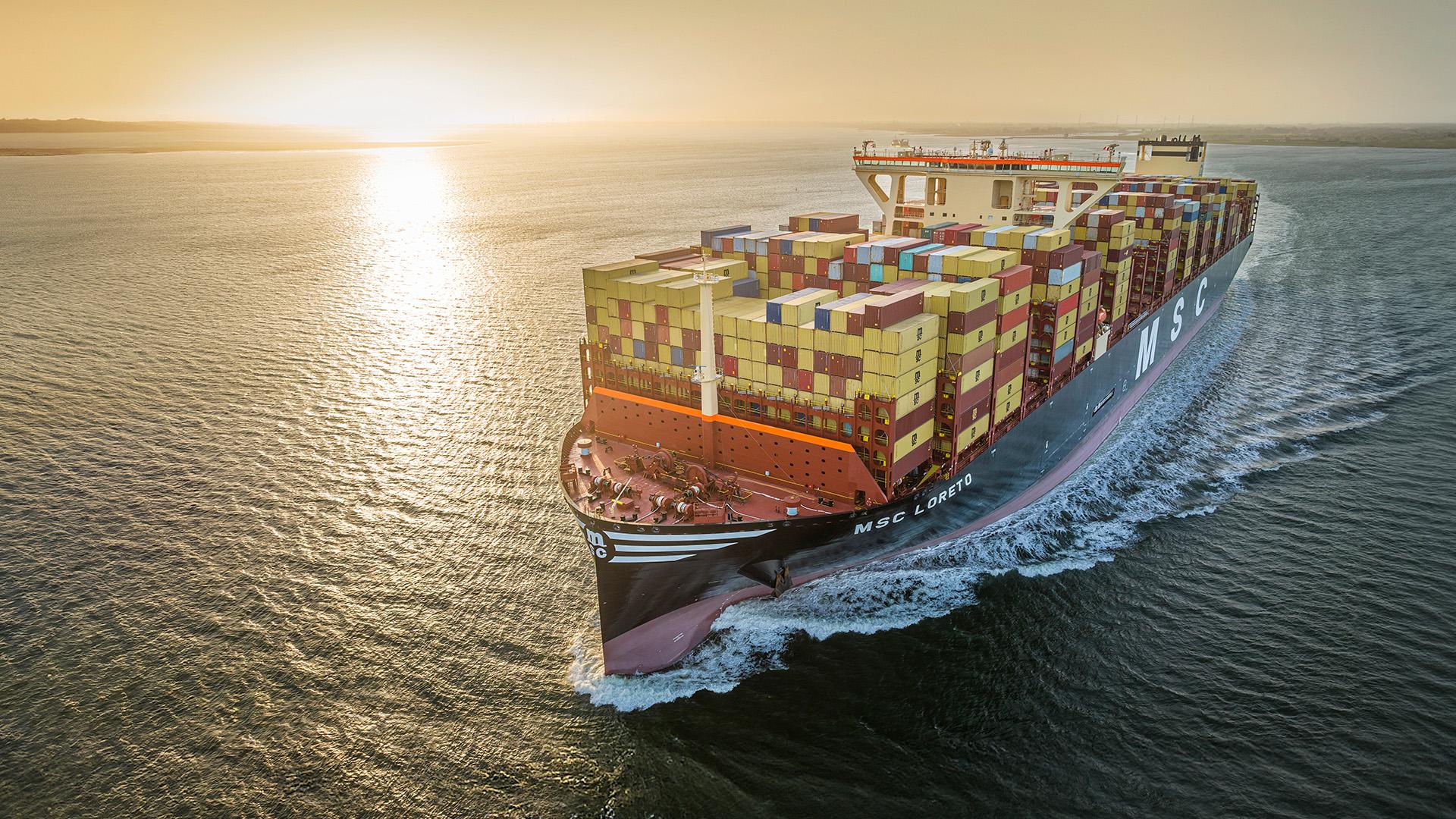
MSC LAUNCHES NEW SHIPPING ROUTE TO BYPASS HORMUZ STRAIT, ENSURING GLOBAL TRADE FLOW
Amid escalating geopolitical tensions in the Strait of Hormuz—one of the world’s most critical maritime routes—global container shipping leader Mediterranean Shipping Company (MSC) has swiftly introduced a new logistics solution to mitigate risks and maintain supply chain stability. Specifically, MSC has launched the Europe – Red Sea – Middle East Express service, connecting European ports […]
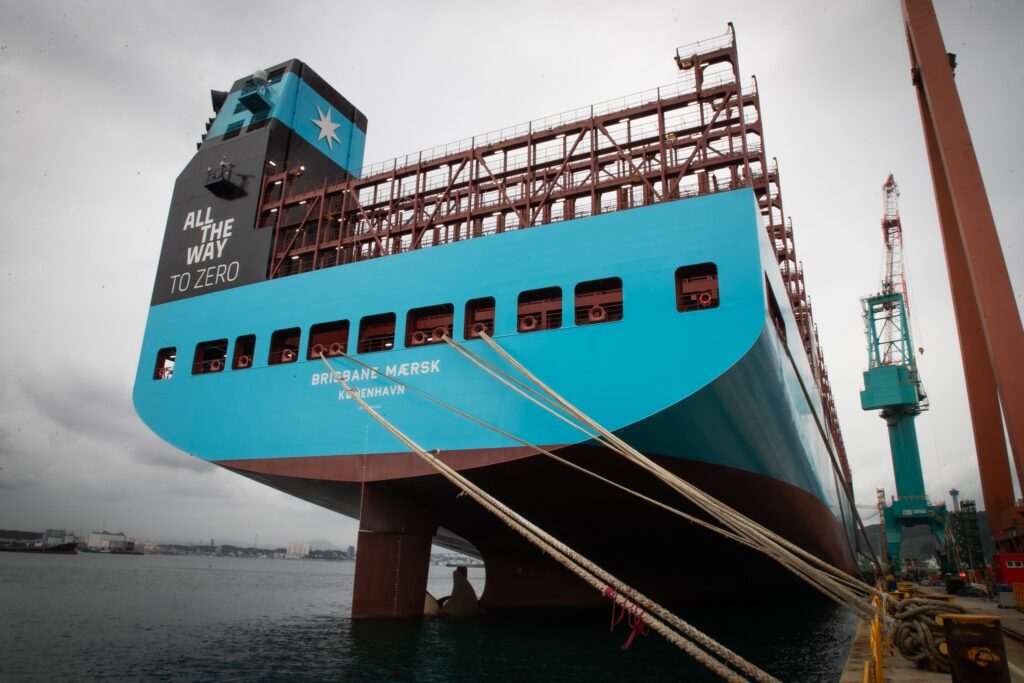
MAERSK Officially Welcomes the “BRISBANE MÆRSK” Ship – A New Step in the Global Green Transportation Journey
Maersk Group has officially welcomed the “Brisbane Mærsk” to its fleet of green methanol-fueled vessels – marking a significant milestone in its sustainable shipping strategy. This new step demonstrates Maersk’s strong commitment to reducing carbon emissions and aiming for net-zero emissions by 2040. The “Brisbane Mærsk” is designed with state-of-the-art technology, using green methanol fuel […]
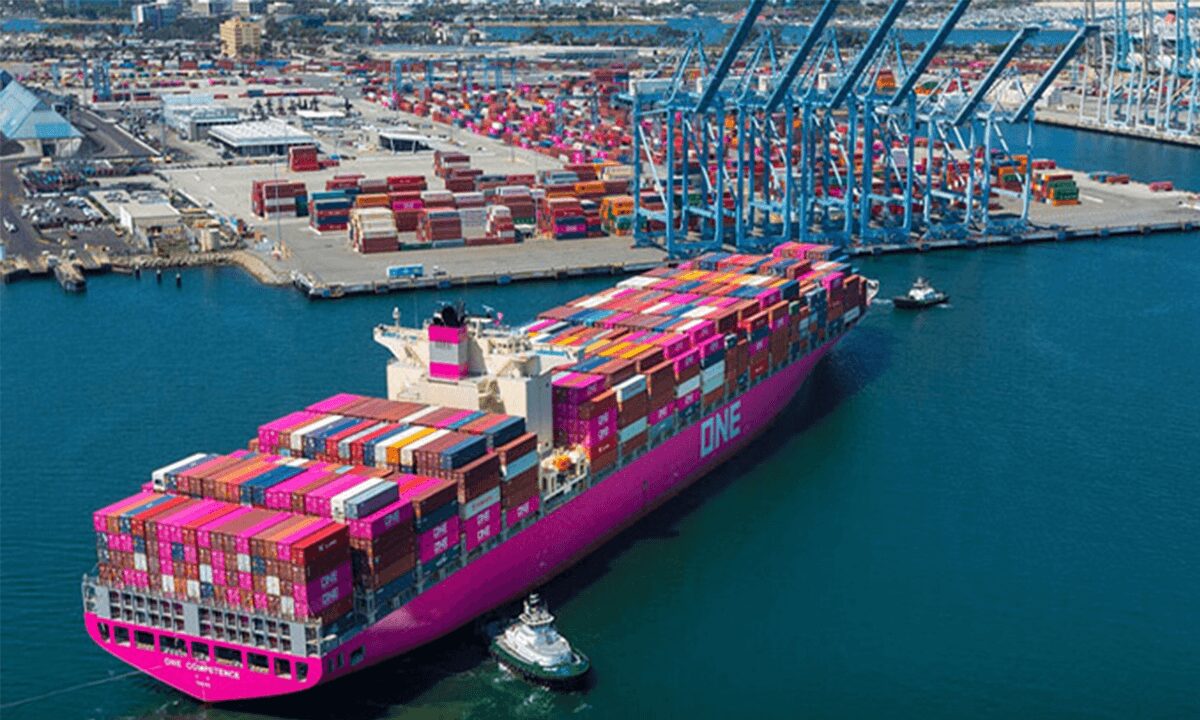
Shipping Line ONE Acquires 30% Stake in Key Laem Chabang Port, Thailand
Ocean carrier ONE continues its infrastructure acquisition strategy by signing an agreement to purchase a 30% stake in the Hutchison Laem Chabang terminal (Thailand), closely following a port investment deal in Busan. Japanese container shipping line Ocean Network Express (ONE) is utilizing a portion of the profits accumulated in recent years to accelerate the development […]

Contact Us
Get Solutions Now
We respond to all requests within 24 hours.
 0937 48 18 98


