


By interlink | 03/07/2025
.png)

.png)
.png)
.png)
President Trump Announces “Significant Tariff Reductions” on Vietnamese Goods: A Golden Opportunity for Export Businesses and the Logistics Industry
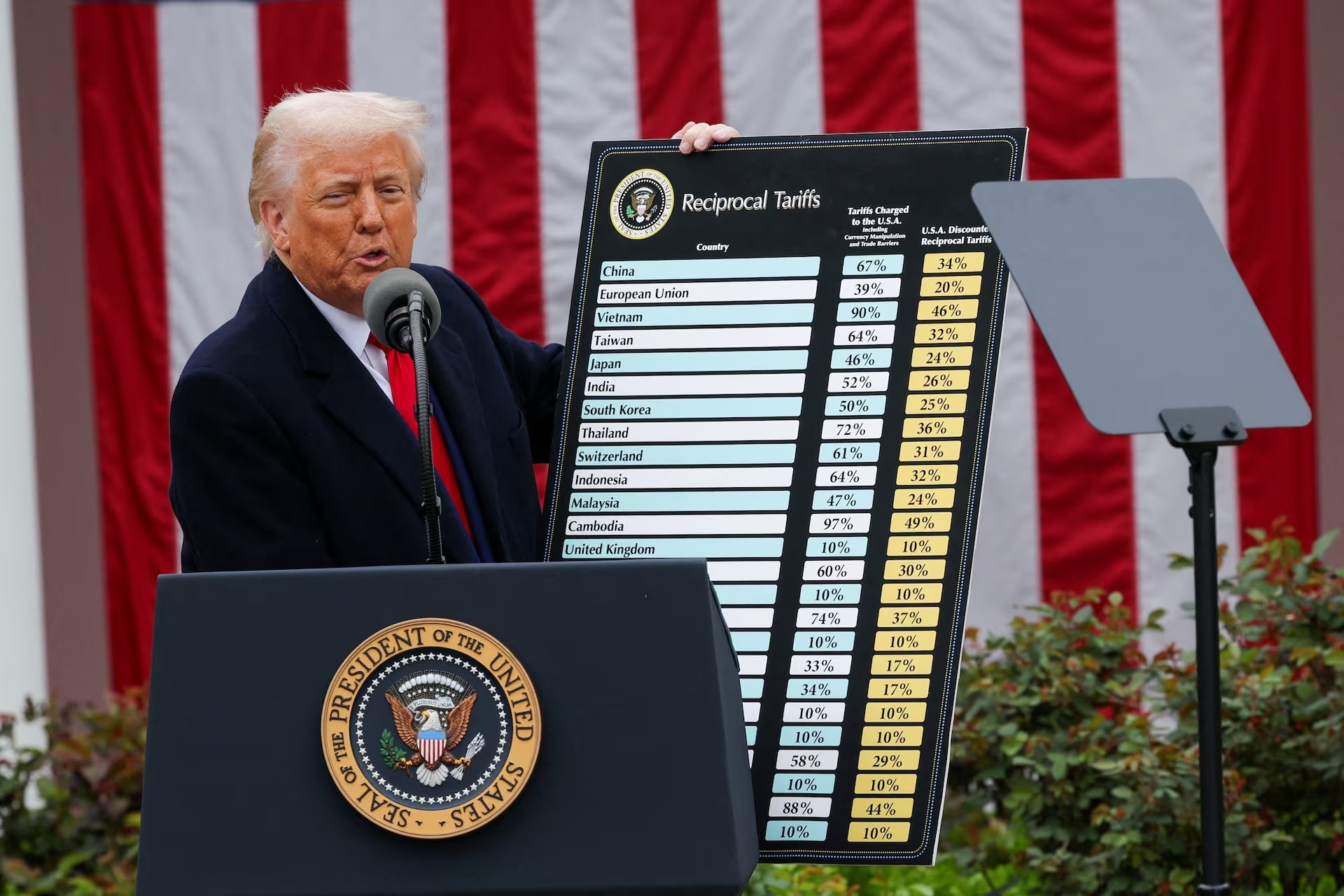
According to information from the Ministry of Foreign Affairs, at 8 PM on July 2nd, General Secretary To Lam had a phone call with US President Donald Trump to discuss bilateral relations and issues related to reciprocal tariffs between the two countries.
During the exchange, President Trump highly appreciated Vietnam’s commitment to opening its market, especially to American goods such as large-displacement automobiles. He also affirmed that the US would significantly reduce the tariffs currently applied to many types of goods exported from Vietnam to the US.
However, according to experts, the key issue now is waiting for detailed information on specific tariff rates, classification and application to each type of goods, as well as a clear definition of “transit goods”.
Several scenarios regarding tax policy are predicted.
Mr. Nguyen The Minh – Director of Individual Client Analysis at Yuanta Securities Vietnam – believes that the US could implement one of two options:
- Applying a uniform tax rate to all goods.
- Establishing different tax rates depending on the localization rate and origin of raw materials.
According to Mr. Minh, the new tax policy is likely to reduce the US’s dependence on goods from China. One highly anticipated scenario is that the US will impose a tax rate of approximately 20% on goods manufactured in Vietnam, with the specific rate depending on the percentage of raw materials imported from China.
Although the 20% rate may be higher than initially expected (10–15%), according to Mr. Minh, this is still a positive sign, helping Vietnamese goods maintain a competitive advantage over China and some other countries.
The issue of “transit goods” raises concerns.
Regarding information that the US may impose tariffs of up to 40% on goods deemed to be in transit through Vietnam, Mr. Minh stated that the crucial issue is how the US defines “transit” and the specific regulations involved. Vietnam also needs to develop a negotiation plan to mitigate the impact if this scenario occurs.
Following the announcement of tariff negotiations, the stock prices of some US companies such as Nike, Apple, and footwear manufacturers increased, reflecting positive investor sentiment following the preliminary results.
Currently, no specific tariff rates have been announced for each industry group. However, the move from the US shows a clear willingness to adjust tariffs on Vietnamese goods.
Nevertheless, to fully assess the impact on foreign direct investment (FDI), it is necessary to continue monitoring the tariff policies that the US will apply to other countries in the region.
Academic Opinions
Associate Professor Pham The Anh – Head of the Economics Department, National Economics University – stated that if the US applies flexible tariffs based on domestic content, this would be a positive signal for Vietnam’s export growth. He assessed that if the tariff framework of around 20% is accurate, it would still be an “acceptable” figure in the current context.
Meanwhile, countries like India and Japan are also rushing to negotiate trade agreements with the US, but still face many obstacles, especially in the agricultural and automotive sectors.
What should logistics businesses do in the face of this wave of change?
For logistics businesses, especially those specializing in exports to the US like Interlink, this is a “golden” time to optimize transportation solutions, standardize documentation, and build a clear and transparent supply chain system.
Interlink currently supports hundreds of Vietnamese businesses in the following processes:
- Consulting and processing Certificates of Origin (CO), helping goods meet new US tariff requirements.
- Optimizing cross-border shipping: from consolidation, warehousing, booking to door-to-door delivery in the US.
- Analyzing supply chain strategies to avoid transshipment risks and ensure compliance with new regulations.
What opportunities are there for export businesses?
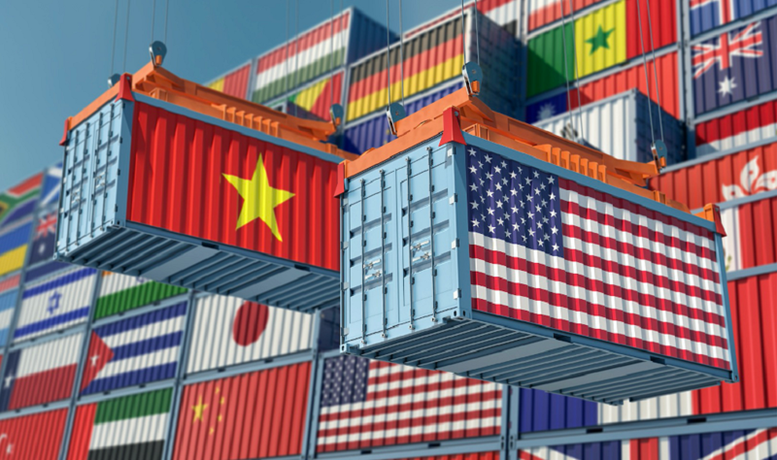
The US is currently one of Vietnam’s largest export markets, with export value reaching tens of billions of USD annually. The tariff reduction will:
- Increase the competitiveness of Vietnamese goods compared to China and other countries in the region.
- Promote FDI into domestic manufacturing industries such as textiles, electronics, and wood products – leading to a significant increase in logistics demand.
- Create momentum for breakthroughs for Vietnamese businesses, especially those already prepared in terms of documentation, logistics systems, and market strategies.
Interlink – Your Trusted Logistics Partner in the New Wave of Trade
With over 15 years of experience in international logistics and a wide network of partners in the US, Interlink is ready to support Vietnamese businesses in overcoming tariff barriers, optimizing costs, and accelerating exports.
If you are a business exporting to the US or planning to expand your market in the near future, don’t miss this “big wave.” Policies may change, but the advantage will be with those who prepare in advance.
NEWS & BLOG
RELATED ARTICLES
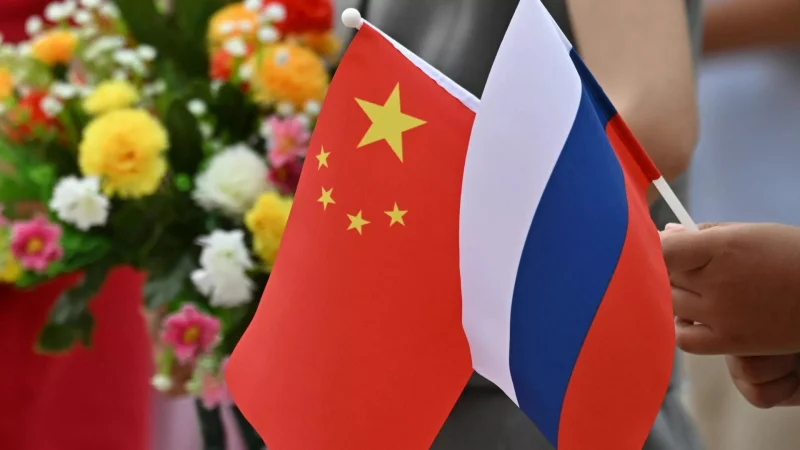
More Than 3,500 Businesses Rush into China’s Russian Goods Market — Then the Boom Quickly Turns Sour
Russia–China trade reached a record USD 244.8 billion in 2024, fueling a rapid surge in the popularity of Russian consumer products in the Chinese market. Thousands of businesses quickly entered the sector. However, the market soon began showing signs of instability as misrepresentation of product origin undermined consumer trust. The “Russian Goods” Boom in China […]
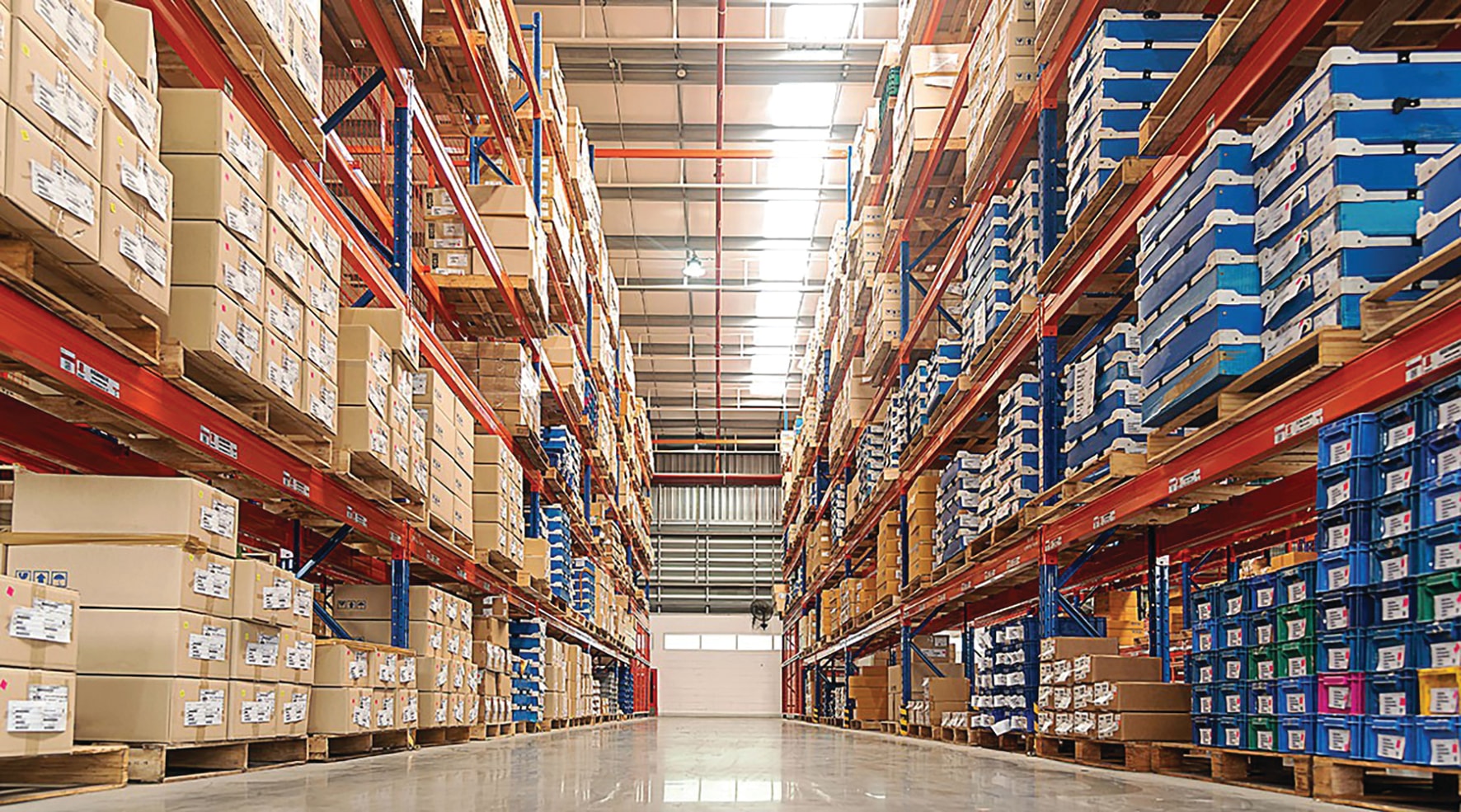
SMART WAREHOUSING IS CHANGING THE LOGISTICS GAME: THE “KEY” LIES IN SOFTWARE!
Rising facility costs, increasing labor expenses, and growing demands for speed, accuracy, and inventory visibility are putting greater pressure on businesses. So, what is the solution to the warehouse challenges of the modern era? According to Alessandro Duca, Managing Director of ICAM Asia-Pacific, one of the key factors enabling businesses to enter the era of […]
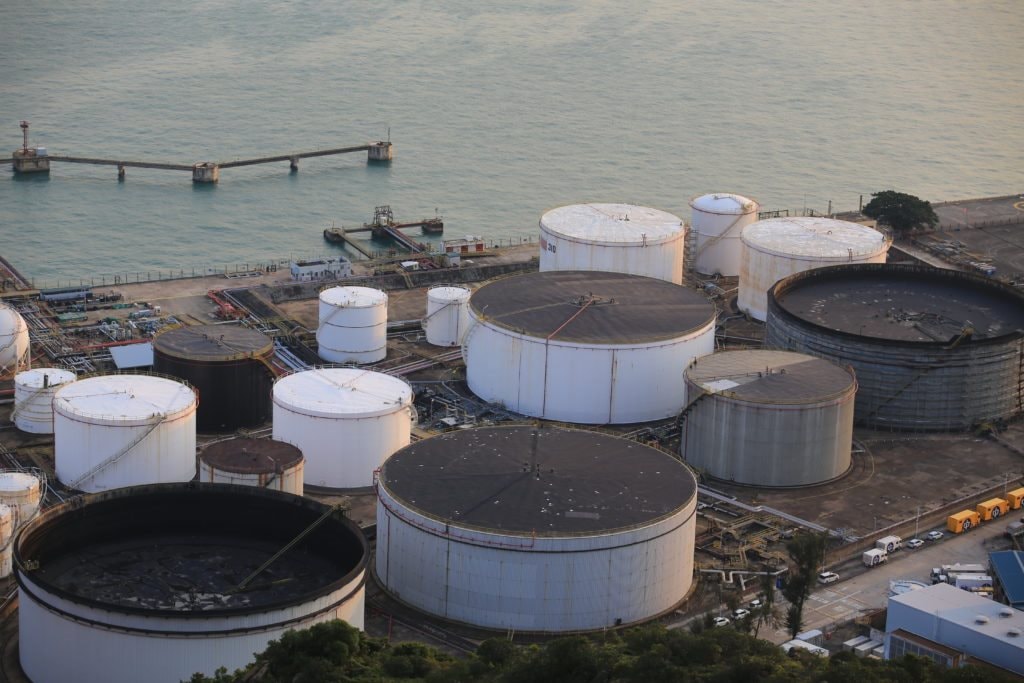
RISING TENSIONS IN THE MIDDLE EAST CONTINUE TO PUT PRESSURE ON THE OIL MARKET
Missile and drone attacks targeting Riyadh and oil infrastructure in Yanbu are raising concerns over energy supplies in the Middle East. Yemen’s Houthi forces claimed to have carried out attacks on what they described as “sensitive” targets in Riyadh, while also targeting a Saudi Aramco facility in Yanbu, one of Saudi Arabia’s key oil export […]
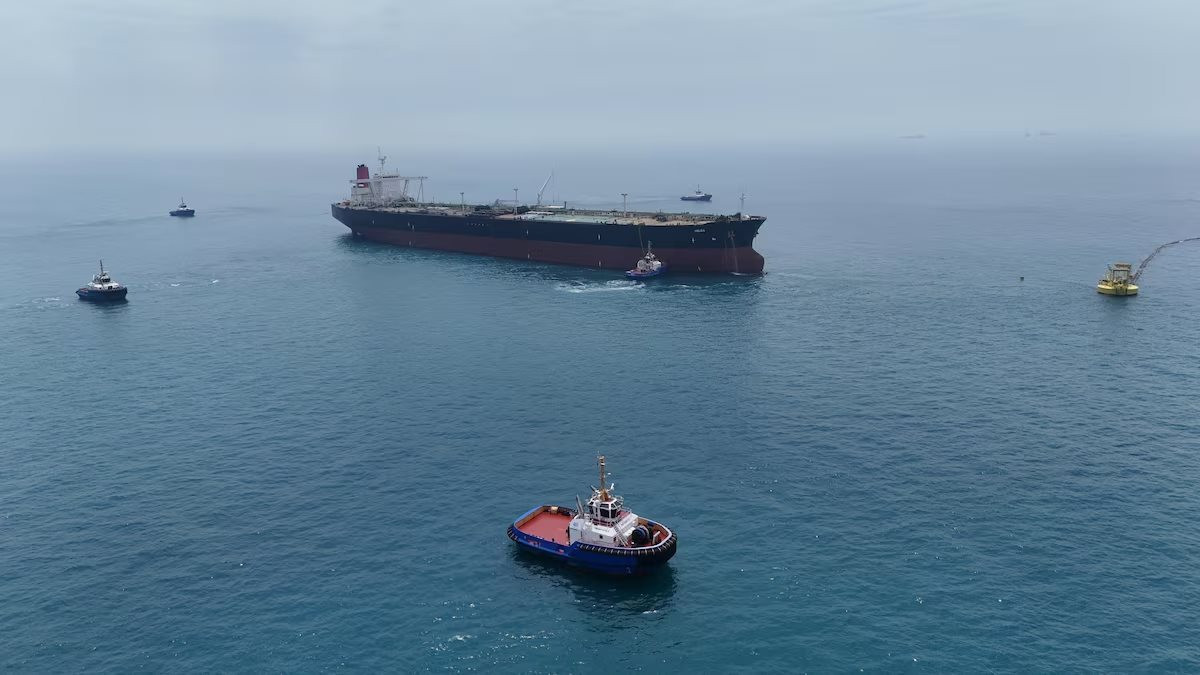
STRAIT OF HORMUZ NEARLY PARALYZED: ONLY 4 VESSELS PASSED THROUGH IN ONE DAY
According to Reuters, only four commercial vessels passed through the Strait of Hormuz on September 15, compared with an average of around 125–140 vessels per day before the conflict. The sharp decline in maritime traffic is raising significant concerns for global shipping, supply chains, and energy markets. The Strait of Hormuz is one of the […]
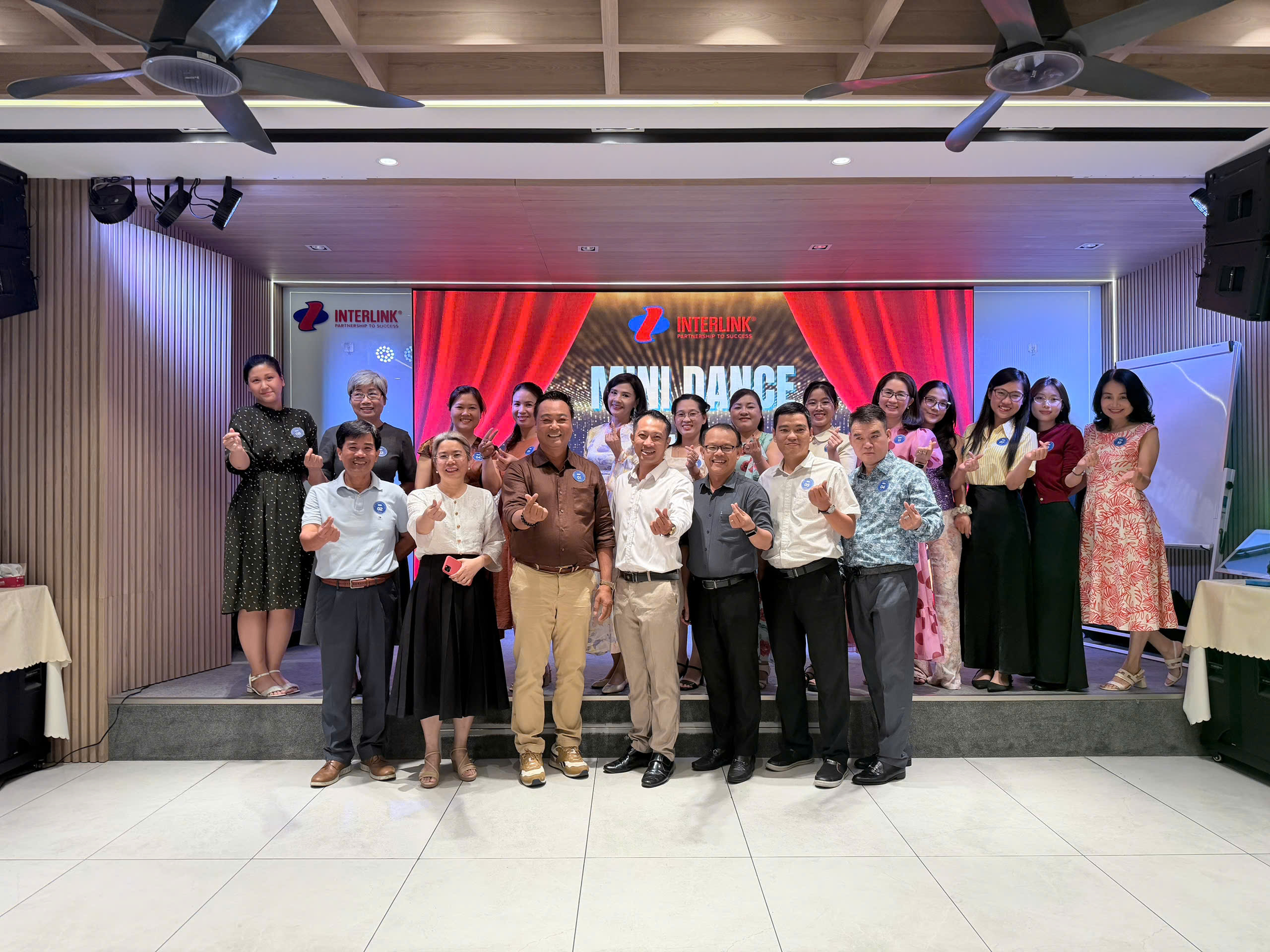
INTERLINK MINI DANCE CHALLENGE – CLOSING THE DANCE COURSE WITH CONNECTION AND MEMORABLE MOMENTS
On September 15, 2026, Interlink organized the “Mini Dance Challenge”, a dance competition marking the closing of a training course for valued partners and Interlink employees after 12 sessions of learning and practice. More than just a platform for participants to showcase the dance moves they had developed throughout the course, the event was also […]
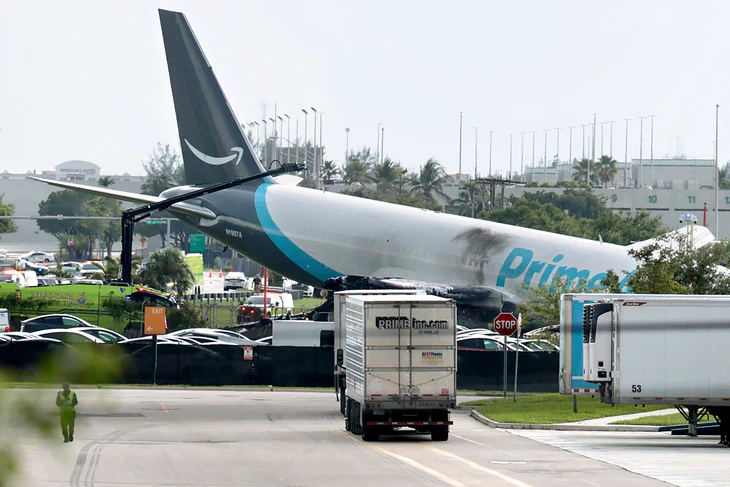
AMAZON SUSPENDS OPERATIONS WITH 21 AIR FOLLOWING MIAMI CARGO PLANE CRASH
Amazon has announced that it is temporarily suspending operations with cargo airline 21 Air following a serious accident at Miami International Airport in the United States. On September 6, 2026, a Boeing 767-300 operated by 21 Air as part of the Amazon Air network crashed while landing at Miami International Airport. The aircraft subsequently collided […]
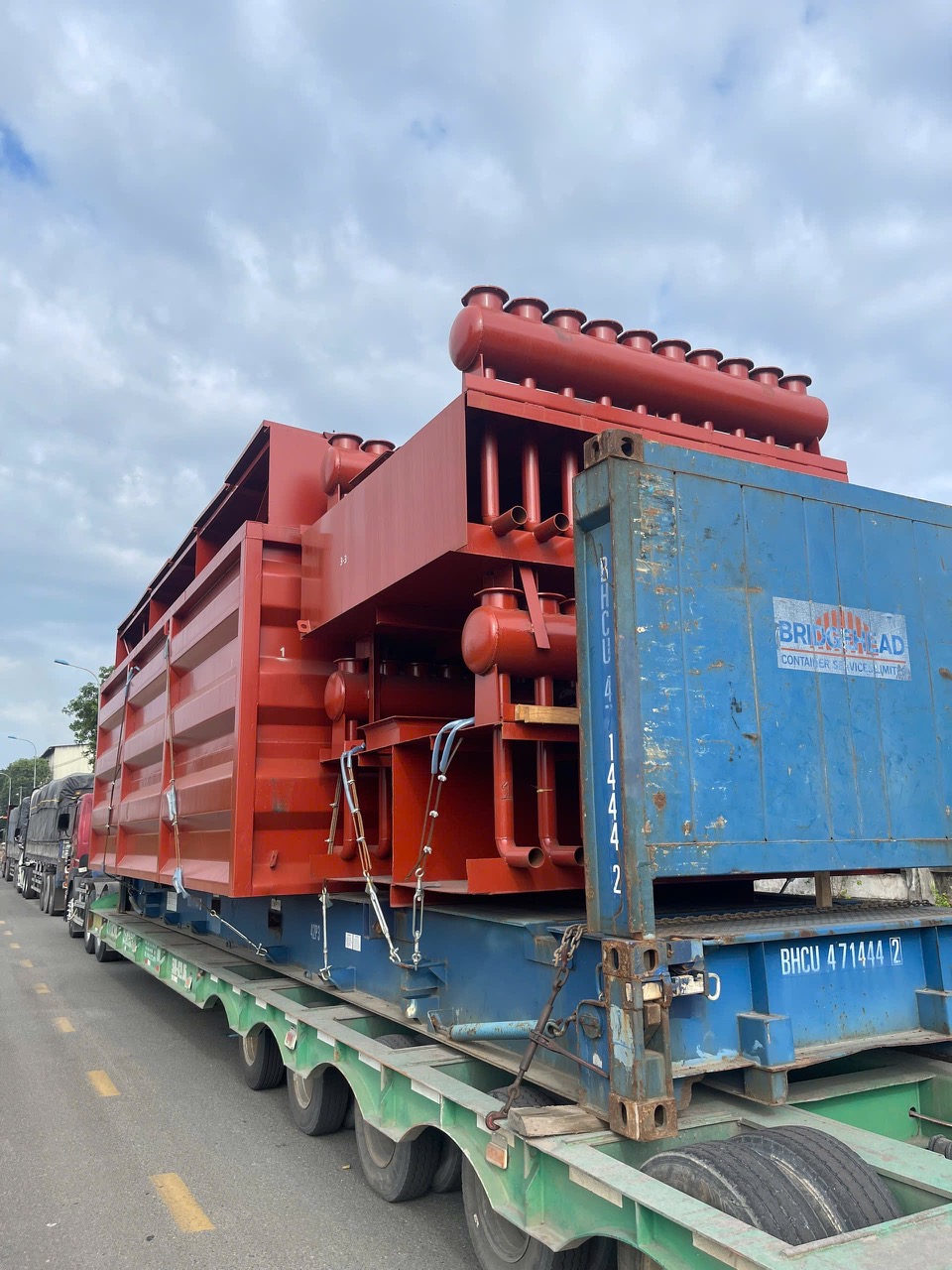
INTERLINK COMPLETES BOILER SYSTEM TRANSPORTATION PROJECT FROM CHINA TO MY XUAN A INDUSTRIAL PARK
In project logistics, transporting large-scale industrial equipment with complex structures requires more than simply moving cargo from one location to another. It requires careful planning, appropriate transportation solutions, strict cargo securing procedures, and close coordination throughout the entire logistics process. Interlink has recently completed the transportation of a steel boiler system from China to My […]
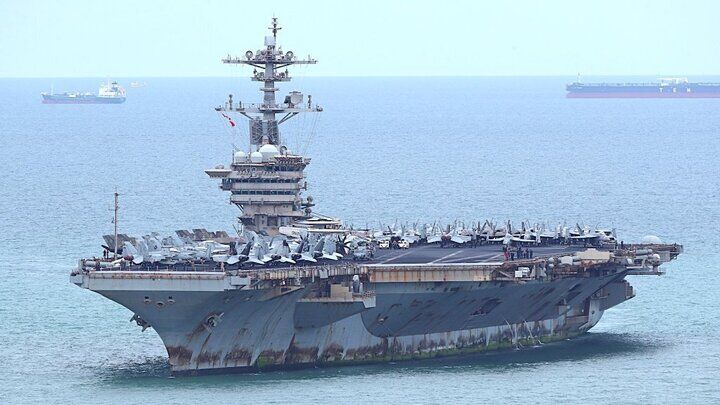
286 DAYS AT SEA: US AIRCRAFT CARRIER SHOWS SIGNS OF AN ARDUOUS JOURNEY
After 286 consecutive days at sea, the nuclear-powered aircraft carrier USS Abraham Lincoln arrived at Laem Chabang Port in Thailand on September 2. Images taken after its arrival showed large areas of rust and marine growth around the ship’s waterline, providing visible evidence of the long period the vessel spent operating at sea. USS Abraham […]
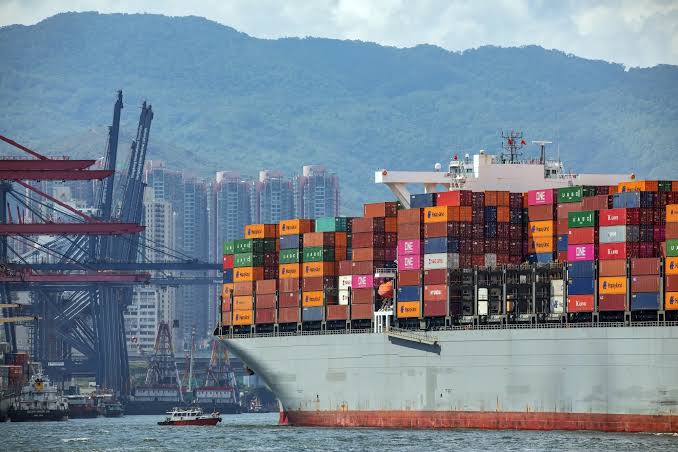
218,000 BARRELS/DAY AT RISK OF SHORTAGE: MARINE FUEL SUPPLIES COME UNDER PRESSURE
The global marine fuel market is facing a potential supply shortage in Q3 2026 as refineries come under pressure from prolonged geopolitical conflicts and supply disruptions. According to Reuters, the shortfall in fuel oil used by ships and power plants could reach 218,000 barrels per day, a sharp increase from just around 6,000 barrels per […]
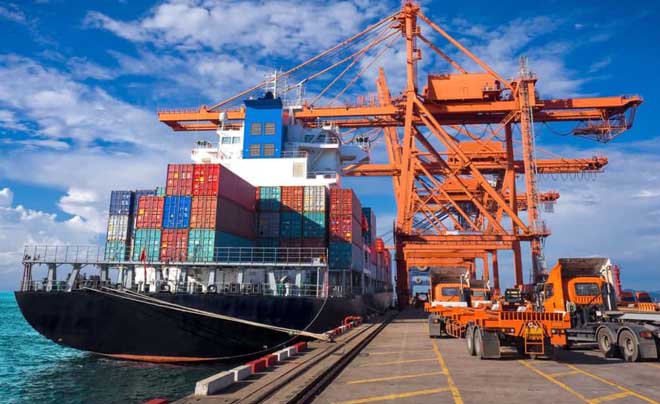
7 EXPORT PRODUCTS EXCEEDING USD 10 BILLION IN THE FIRST 8 MONTHS OF 2026
In the first eight months of 2026, seven major Vietnamese export product groups recorded export values exceeding USD 10 billion, reaffirming the strong momentum of Vietnam’s exports and the growing position of Vietnamese products in international markets. Leading the way was Computers, Electronic Products and Components, with an export value of USD 101.059 billion, accounting […]

Contact Us
Get Solutions Now
We respond to all requests within 24 hours.
 0937 48 18 98


