


By interlink | 21/08/2025
.png)

.png)
.png)
.png)
Record-Breaking Container Ship Orders: Risk of Oversupply Lasting Through the Decade?
The global container shipping industry has just recorded a new record in shipbuilding orders. However, behind this seemingly positive figure lies concern about potential overcapacity that could persist for many years, weighing heavily on freight rates and shipping companies’ profits.
Container Shipbuilding Orders Exceed Historical Limits
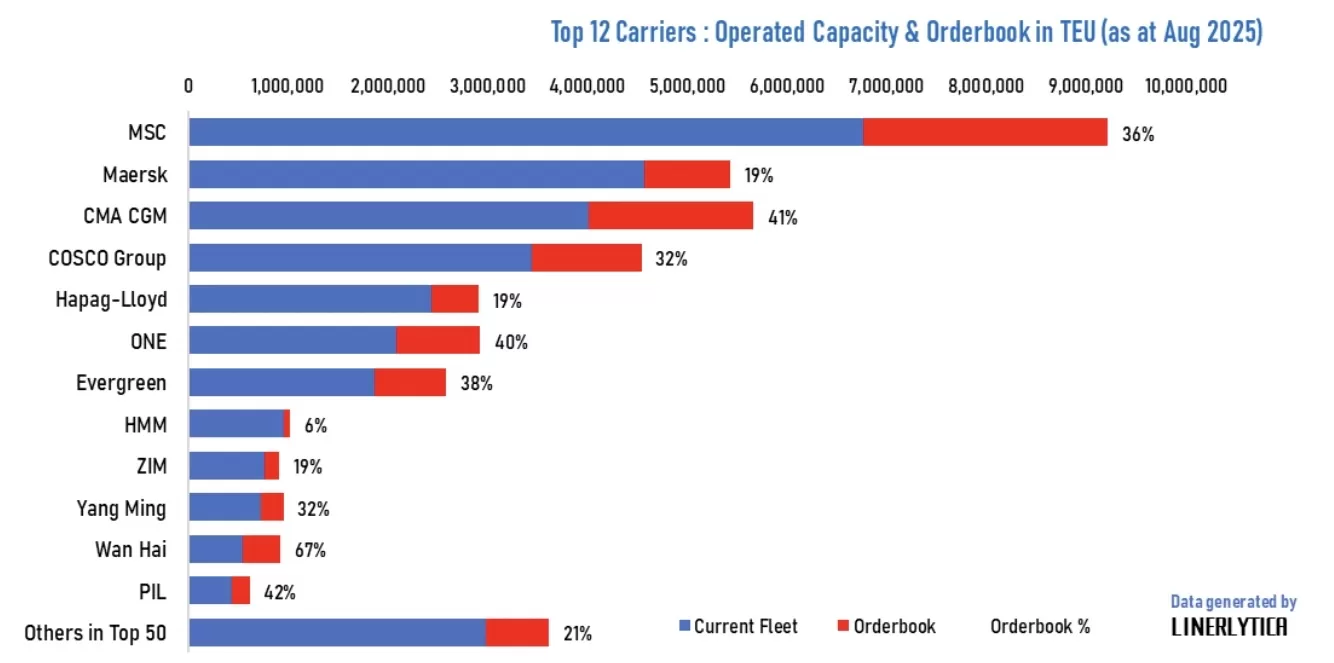
According to the latest data from Linerlytica, the number of new container shipbuilding orders globally has reached 10.4 million TEU. This is an unprecedented figure in the history of the container shipping industry, pushing the orderbook-to-fleet ratio to 31.7% – the highest since 2010.
This means that for every three container ships currently in operation, one new ship will be delivered in the next few years. This rapid fleet growth raises the question: will the market have enough demand to absorb this enormous amount of capacity?
Comparisons from other sources show discrepancies, but all revolve around record highs:
- Clarksons Research and Alphaliner recorded a total of approximately 9.87 million TEU in orders.
- Clarksons added that, this year alone, the number of new contracts signed reached 275 vessels, double the average of the past 10 years.
These figures indicate that shipping lines are still aggressively expanding their fleets, despite the less-than-optimistic global demand outlook.
Concerns about a cycle of oversupply
Linerlytica issued a rather clear warning:
“The last time the order rate exceeded 30% was during the period 2004–2009. As a result, the container shipping industry experienced a prolonged period of overcapacity for a decade.”
This scenario is at risk of repeating itself. Besides the vessels already under contract, over 1 million TEU from pending orders will join the fleet before the end of the year. This further exacerbates the supply-demand imbalance.
Market data illustrates this discrepancy:
- The global container fleet currently stands at 145 points, compared to 100 in 2019.
- Container transport demand during the same period only reached 113 points, and even including the impact of many ships having to detour around the Cape of Good Hope, the figure only increased to 130 points.
- This means that transport capacity is increasing more than twice as fast as actual demand. Unless there is an unexpected boost in global trade, this surplus will persist in the market until at least 2029.
Freight rates face heavy pressure
One of the most direct and obvious consequences is that freight rates are unlikely to remain stable. The Xeneta freight analysis platform indicates that, although freight rates may fluctuate upwards due to geopolitical factors (e.g., tensions in the Red Sea forcing many ships to take longer detours), the core issue remains global oversupply.
- Supply: continuously expanding due to a surge in new orders.
- Demand: recovering slowly, insufficient to absorb the added capacity.
In this context, shipping companies are forced to consider cutting operating capacity or accepting fierce price competition to retain customers. This leads to the risk of a new “freight price war”—something the entire industry wants to avoid but is very difficult to control.
The Challenge for Leading Shipping Companies
The top 12 largest container shipping companies in the world (as of August 2025) currently control the majority of global capacity. With the continuous addition of new vessels, they face a double challenge: expanding their network to utilize resources while simultaneously adjusting capacity to avoid further exacerbating the oversupply situation.
Financially strong shipping companies can weather the storm in the long term, but smaller companies or those heavily reliant on short-term freight rates will be severely affected. This could lead to a wave of restructuring or mergers in the coming years, similar to what happened after the 2008-2009 crisis.
Conclusion
The record number of container shipbuilding orders brings optimism to shipyards and reflects the confidence of shipping companies in long-term demand. However, behind this boom lies an undeniable reality: supply is exceeding demand at an alarming rate.
Without an effective balancing act, the container shipping industry could fall into a vicious cycle: overcapacity, plummeting freight rates, and eroded profits. These developments will continue to have a profound impact on the entire global supply chain for years to come.
Interlink will continue to monitor and update on major fluctuations in the container shipping market, helping businesses and customers proactively respond and optimize their logistics strategies in the current volatile environment.
NEWS & BLOG
RELATED ARTICLES

More Than 3,500 Businesses Rush into China’s Russian Goods Market — Then the Boom Quickly Turns Sour
Russia–China trade reached a record USD 244.8 billion in 2024, fueling a rapid surge in the popularity of Russian consumer products in the Chinese market. Thousands of businesses quickly entered the sector. However, the market soon began showing signs of instability as misrepresentation of product origin undermined consumer trust. The “Russian Goods” Boom in China […]
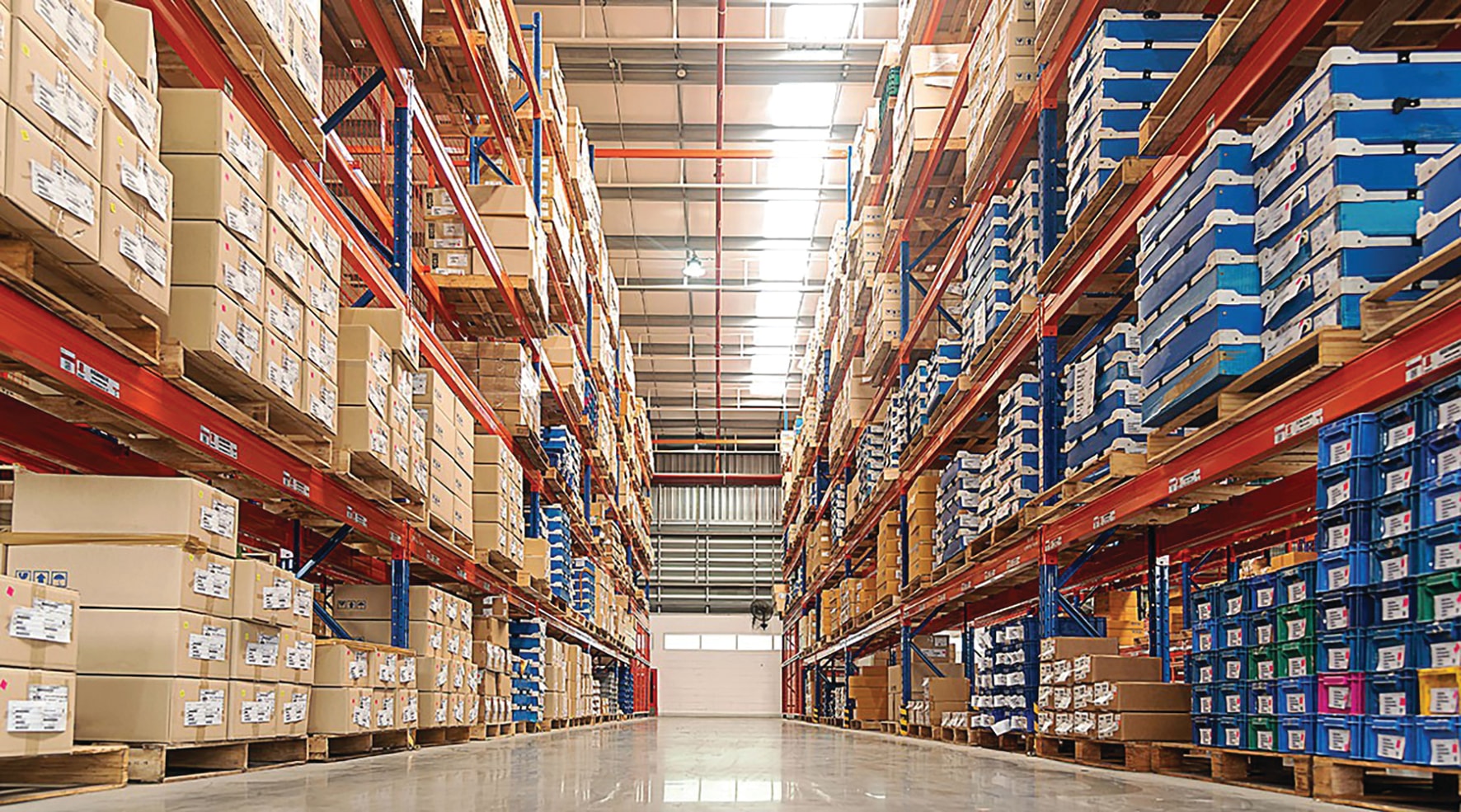
SMART WAREHOUSING IS CHANGING THE LOGISTICS GAME: THE “KEY” LIES IN SOFTWARE!
Rising facility costs, increasing labor expenses, and growing demands for speed, accuracy, and inventory visibility are putting greater pressure on businesses. So, what is the solution to the warehouse challenges of the modern era? According to Alessandro Duca, Managing Director of ICAM Asia-Pacific, one of the key factors enabling businesses to enter the era of […]
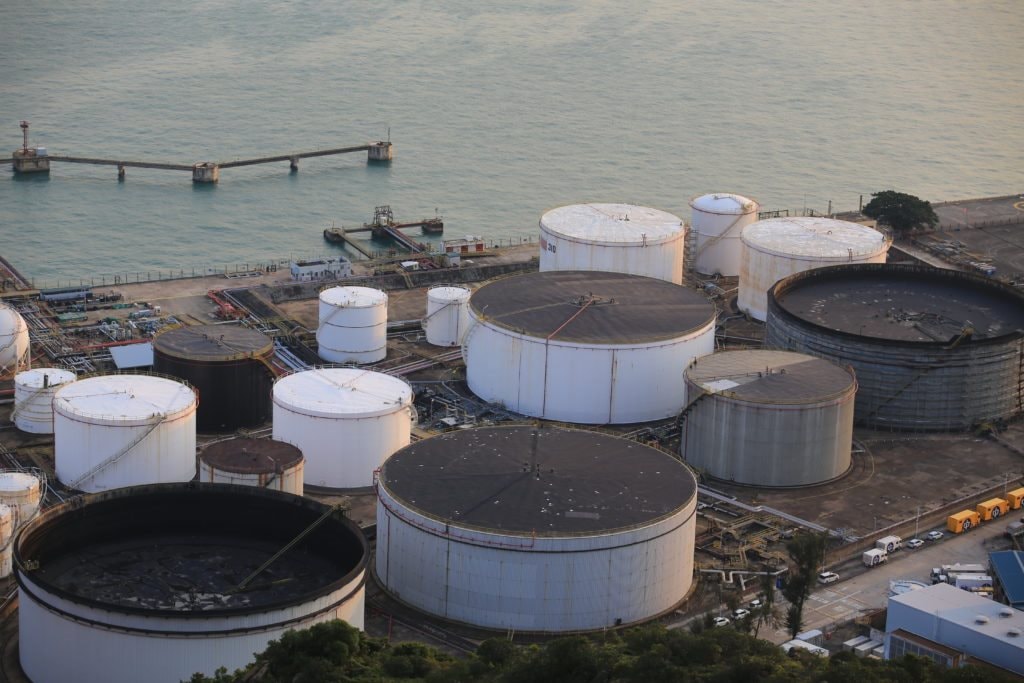
RISING TENSIONS IN THE MIDDLE EAST CONTINUE TO PUT PRESSURE ON THE OIL MARKET
Missile and drone attacks targeting Riyadh and oil infrastructure in Yanbu are raising concerns over energy supplies in the Middle East. Yemen’s Houthi forces claimed to have carried out attacks on what they described as “sensitive” targets in Riyadh, while also targeting a Saudi Aramco facility in Yanbu, one of Saudi Arabia’s key oil export […]
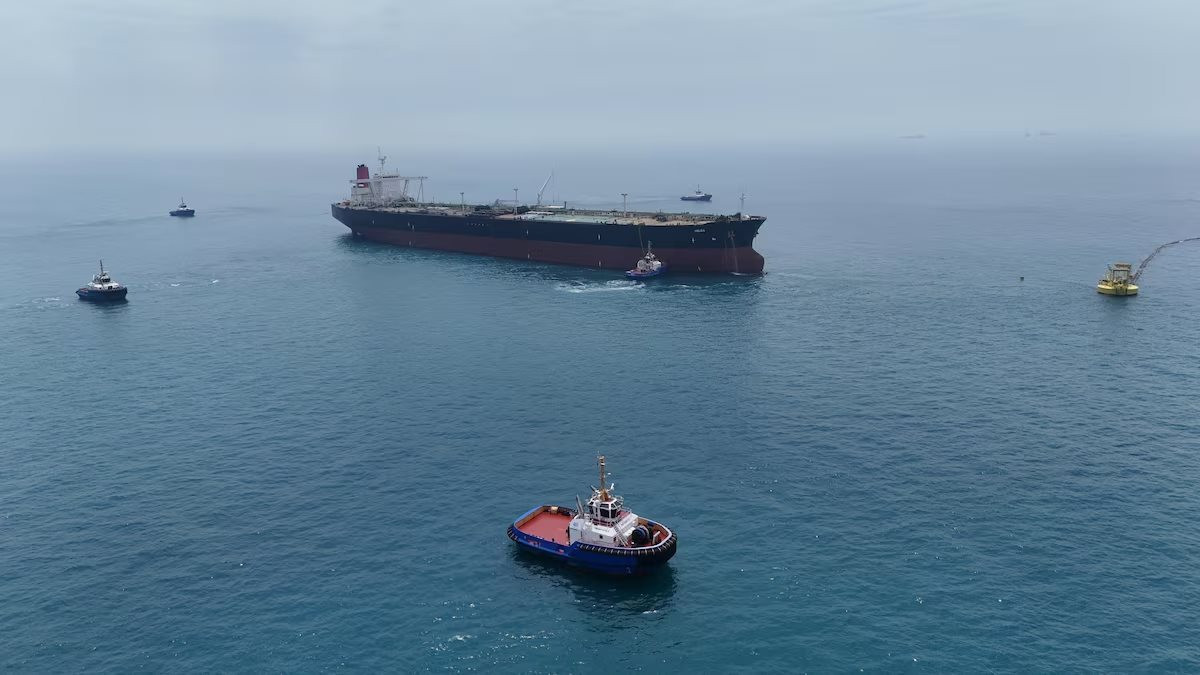
STRAIT OF HORMUZ NEARLY PARALYZED: ONLY 4 VESSELS PASSED THROUGH IN ONE DAY
According to Reuters, only four commercial vessels passed through the Strait of Hormuz on September 15, compared with an average of around 125–140 vessels per day before the conflict. The sharp decline in maritime traffic is raising significant concerns for global shipping, supply chains, and energy markets. The Strait of Hormuz is one of the […]

INTERLINK MINI DANCE CHALLENGE – CLOSING THE DANCE COURSE WITH CONNECTION AND MEMORABLE MOMENTS
On September 15, 2026, Interlink organized the “Mini Dance Challenge”, a dance competition marking the closing of a training course for valued partners and Interlink employees after 12 sessions of learning and practice. More than just a platform for participants to showcase the dance moves they had developed throughout the course, the event was also […]
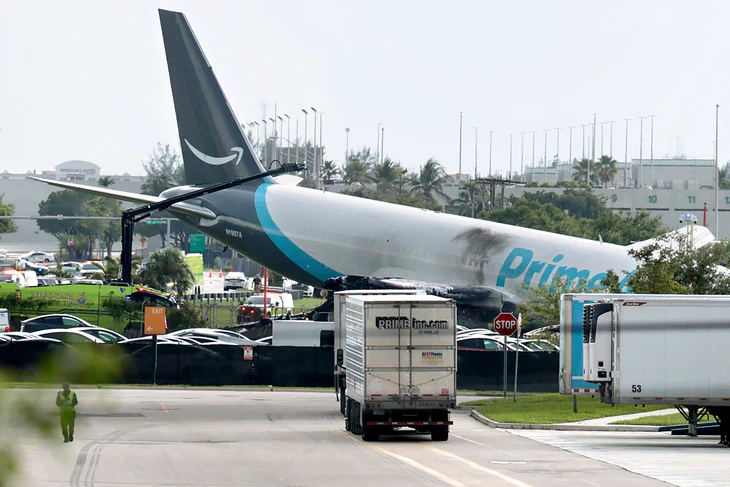
AMAZON SUSPENDS OPERATIONS WITH 21 AIR FOLLOWING MIAMI CARGO PLANE CRASH
Amazon has announced that it is temporarily suspending operations with cargo airline 21 Air following a serious accident at Miami International Airport in the United States. On September 6, 2026, a Boeing 767-300 operated by 21 Air as part of the Amazon Air network crashed while landing at Miami International Airport. The aircraft subsequently collided […]
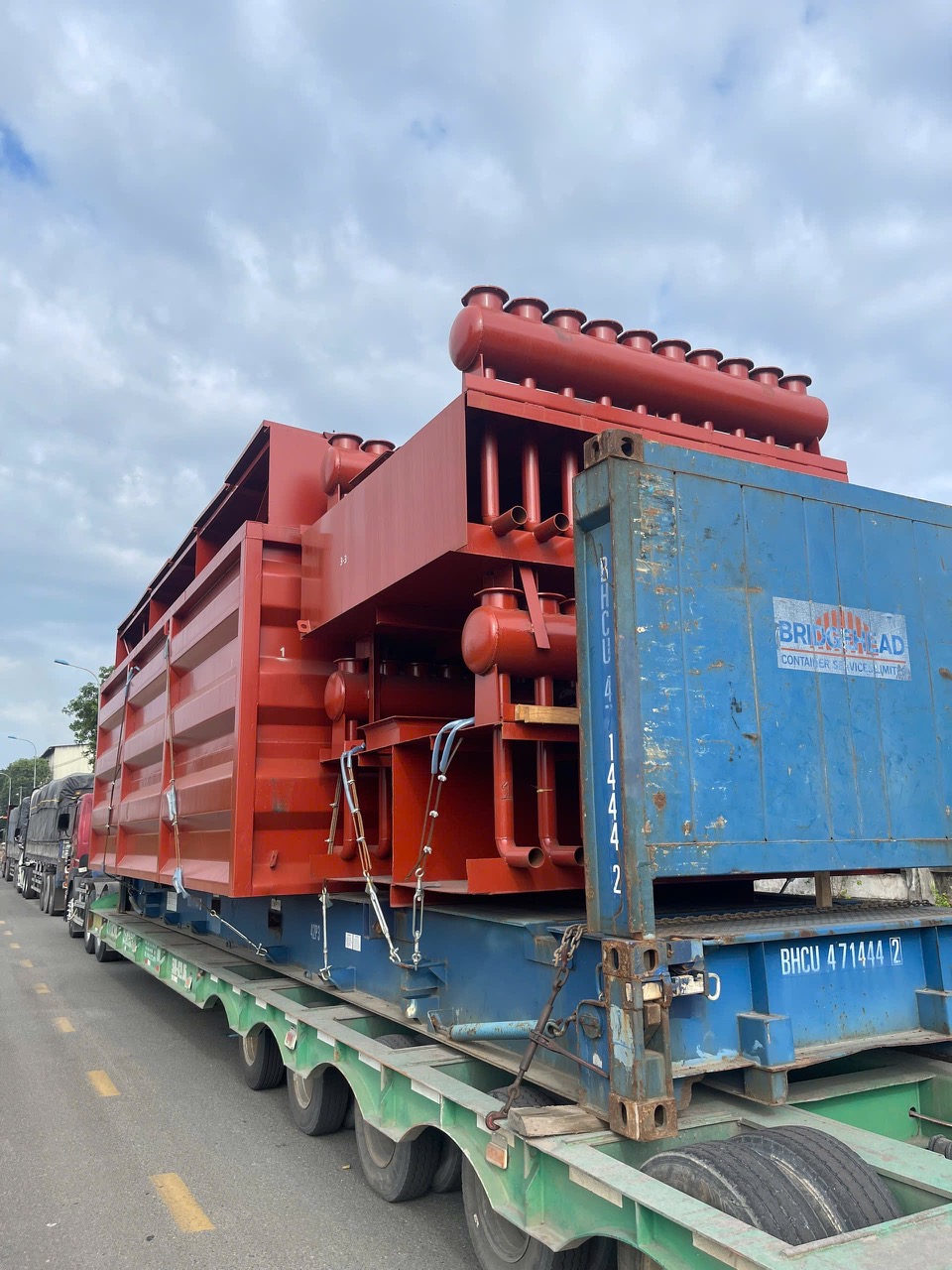
INTERLINK COMPLETES BOILER SYSTEM TRANSPORTATION PROJECT FROM CHINA TO MY XUAN A INDUSTRIAL PARK
In project logistics, transporting large-scale industrial equipment with complex structures requires more than simply moving cargo from one location to another. It requires careful planning, appropriate transportation solutions, strict cargo securing procedures, and close coordination throughout the entire logistics process. Interlink has recently completed the transportation of a steel boiler system from China to My […]
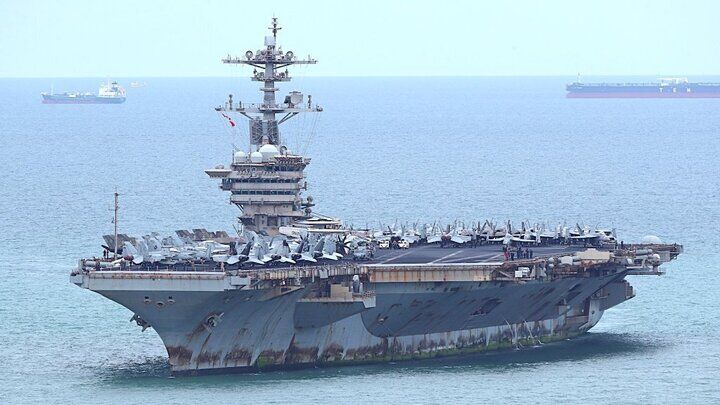
286 DAYS AT SEA: US AIRCRAFT CARRIER SHOWS SIGNS OF AN ARDUOUS JOURNEY
After 286 consecutive days at sea, the nuclear-powered aircraft carrier USS Abraham Lincoln arrived at Laem Chabang Port in Thailand on September 2. Images taken after its arrival showed large areas of rust and marine growth around the ship’s waterline, providing visible evidence of the long period the vessel spent operating at sea. USS Abraham […]
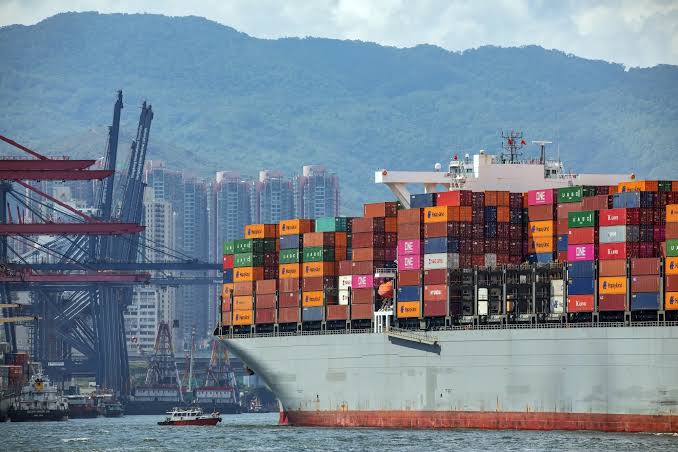
218,000 BARRELS/DAY AT RISK OF SHORTAGE: MARINE FUEL SUPPLIES COME UNDER PRESSURE
The global marine fuel market is facing a potential supply shortage in Q3 2026 as refineries come under pressure from prolonged geopolitical conflicts and supply disruptions. According to Reuters, the shortfall in fuel oil used by ships and power plants could reach 218,000 barrels per day, a sharp increase from just around 6,000 barrels per […]
7 EXPORT PRODUCTS EXCEEDING USD 10 BILLION IN THE FIRST 8 MONTHS OF 2026
In the first eight months of 2026, seven major Vietnamese export product groups recorded export values exceeding USD 10 billion, reaffirming the strong momentum of Vietnam’s exports and the growing position of Vietnamese products in international markets. Leading the way was Computers, Electronic Products and Components, with an export value of USD 101.059 billion, accounting […]

Contact Us
Get Solutions Now
We respond to all requests within 24 hours.
 0937 48 18 98


