


By interlink | 19/06/2025
.png)

.png)
.png)
.png)
Update: Israeli Ports Remain Operating Normally Amid Israel-Iran Conflict
Haifa and Ashdod: Normal Operations Amid Missile Attacks
Despite military tensions between Israel and Iran entering their fourth day with multiple missile strikes, two key Israeli ports – Haifa and Ashdod – remain operational.
Over the weekend, missiles from Iran targeted the Haifa area, home to one of the region’s busiest container ports, along with a nearby oil refinery. However, there were no reports of serious damage or disruption to port operations.
Notably, the Haifa port handles up to 30% of Israel’s total imports and is currently operated by the Adani Group (India). ZIM, a shipping company based there, confirmed that ships are arriving on schedule and bookings to and from Israel are being processed as usual.
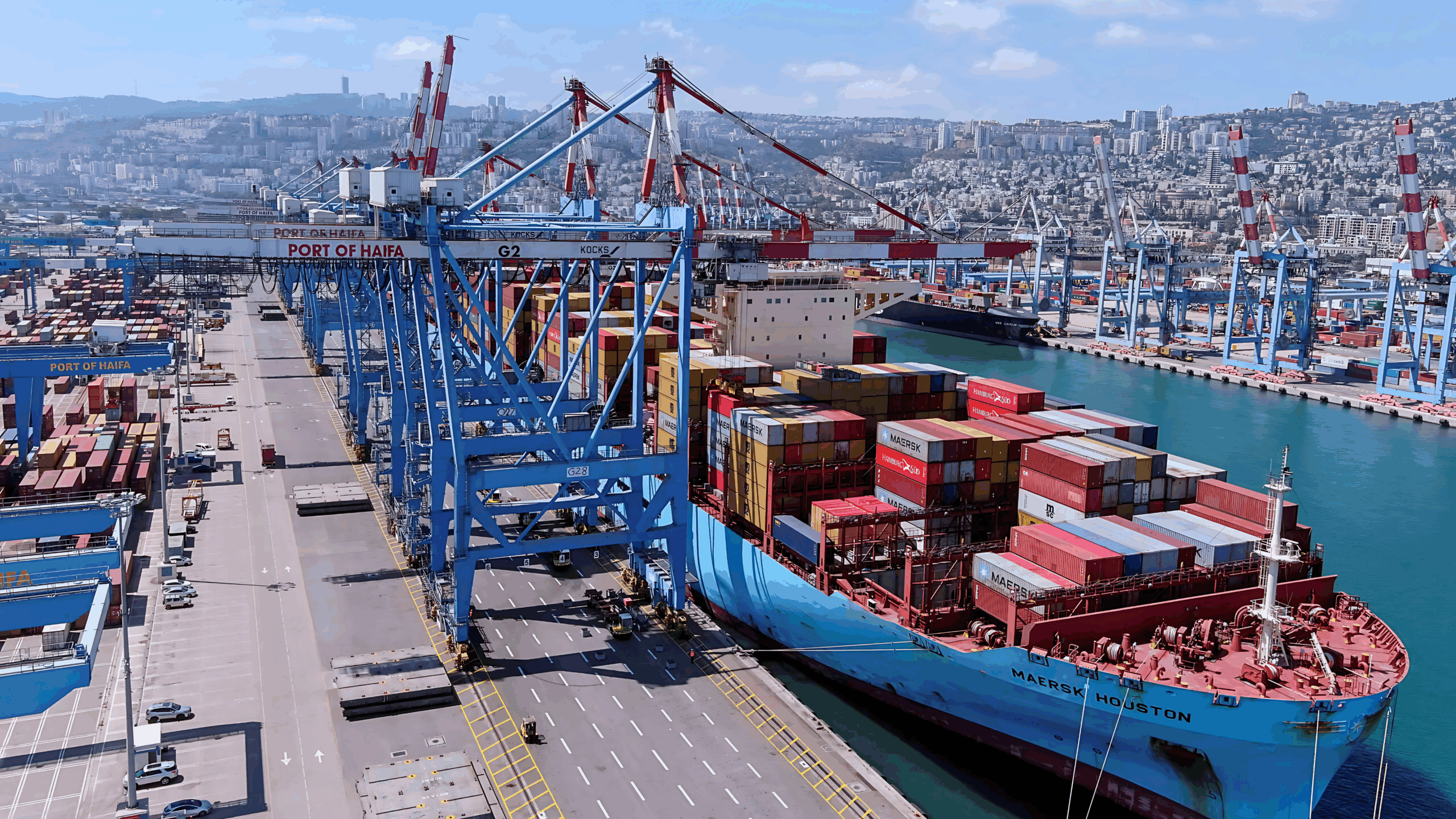
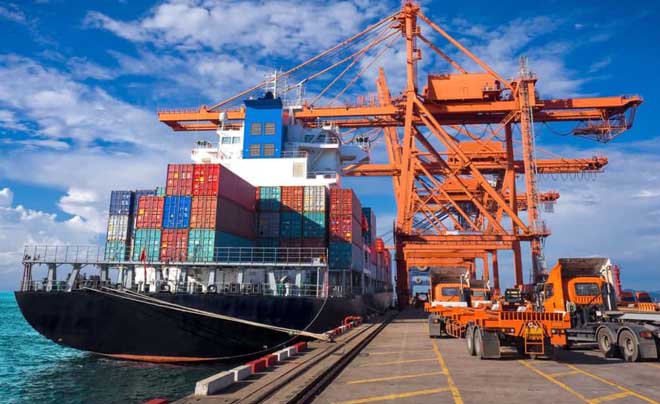
Israel’s Haifa Port
Middle East Logistics Risks Remain High
While ports haven’t been directly affected, the entire Middle East region is experiencing a significant increase in maritime risks. According to the Joint Maritime Information Centre (JMIC), the main threat now doesn’t come from physical attacks, but from signal disruptions and navigation safety issues:
- AIS (Automatic Identification System) spoofing
- GPS jamming, severely impacting navigation
- This situation is worsening in the waters near Bandar Abbas (Iran) and the Strait of Hormuz.
In particular, the Iranian Parliament has officially discussed the possibility of closing the Strait of Hormuz – a narrow but extremely important route for global shipping. If this scenario occurs, it could stifle 20% of the world’s oil and gas supply, causing a chain reaction shock to energy-dependent industries.
Chain Reaction: Containers, Oil & Gas, and Transit Networks
According to expert Jean-Paul Rodrigue (Texas A&M University), 30 million TEU containers per year move around the Hormuz region, mostly transit cargo – unrelated to oil and gas – but could be severely affected if the shipping route is disrupted.
Some notable developments at other ports in the region:
- Jebel Ali (UAE): still operating stably, no disruptions reported
- Salalah (Oman): experiencing disruptions due to weather (monsoon), unrelated to conflict
This is evidence of the fragility of the regional supply chain: a single link failing – whether military or weather-related – can have a chain reaction impacting the entire international logistics system.
Conclusion
Currently, Israeli seaports are maintaining stable operations and have not been affected by the conflict. However, the level of risk to shipping operations in the Middle East is increasing, especially on strategic shipping routes such as the Strait of Hormuz.
Import-export businesses need to continuously update market information and geopolitical scenarios to prepare flexible logistics plans and avoid being caught off guard if the situation becomes complicated.
NEWS & BLOG
RELATED ARTICLES

More Than 3,500 Businesses Rush into China’s Russian Goods Market — Then the Boom Quickly Turns Sour
Russia–China trade reached a record USD 244.8 billion in 2024, fueling a rapid surge in the popularity of Russian consumer products in the Chinese market. Thousands of businesses quickly entered the sector. However, the market soon began showing signs of instability as misrepresentation of product origin undermined consumer trust. The “Russian Goods” Boom in China […]
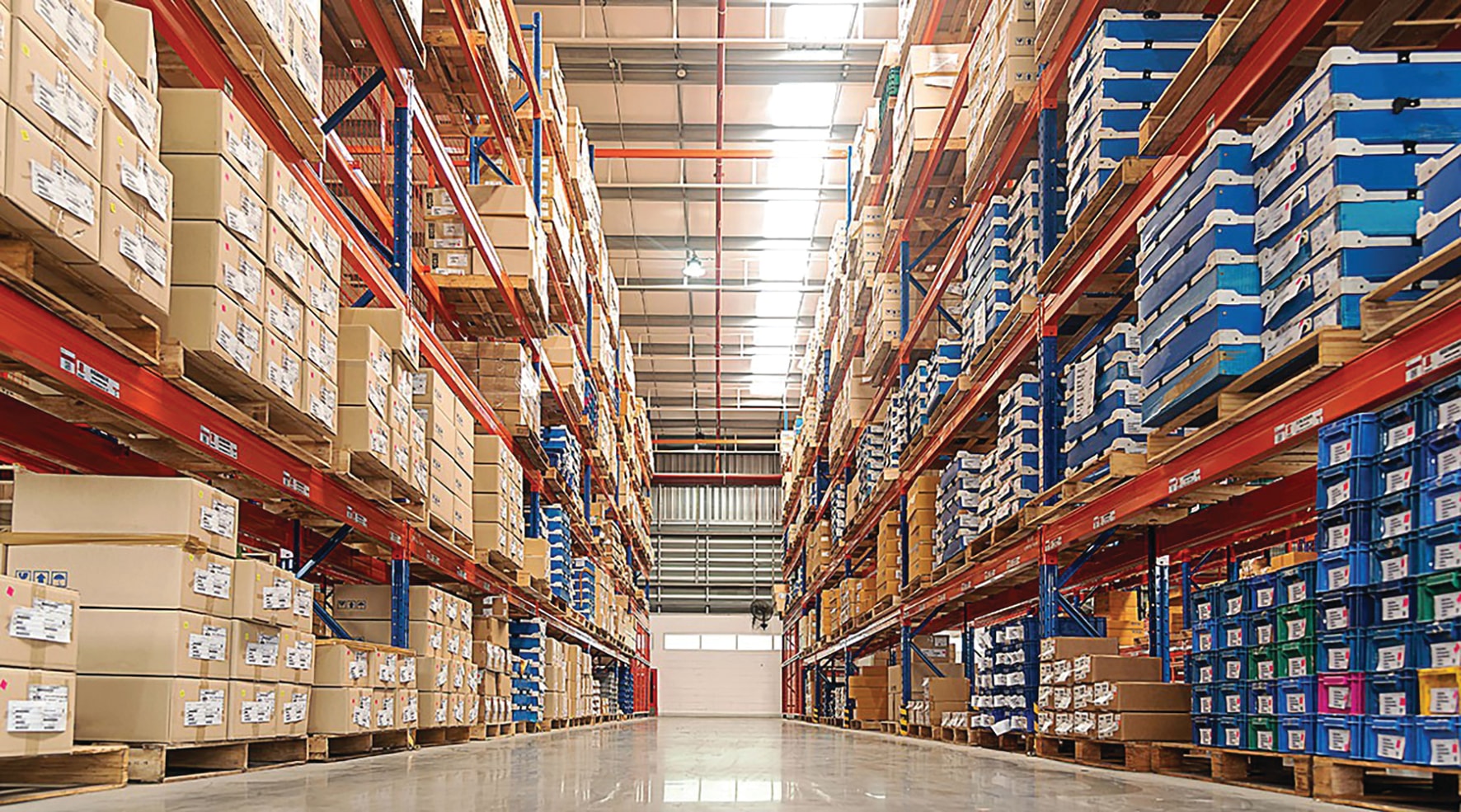
SMART WAREHOUSING IS CHANGING THE LOGISTICS GAME: THE “KEY” LIES IN SOFTWARE!
Rising facility costs, increasing labor expenses, and growing demands for speed, accuracy, and inventory visibility are putting greater pressure on businesses. So, what is the solution to the warehouse challenges of the modern era? According to Alessandro Duca, Managing Director of ICAM Asia-Pacific, one of the key factors enabling businesses to enter the era of […]
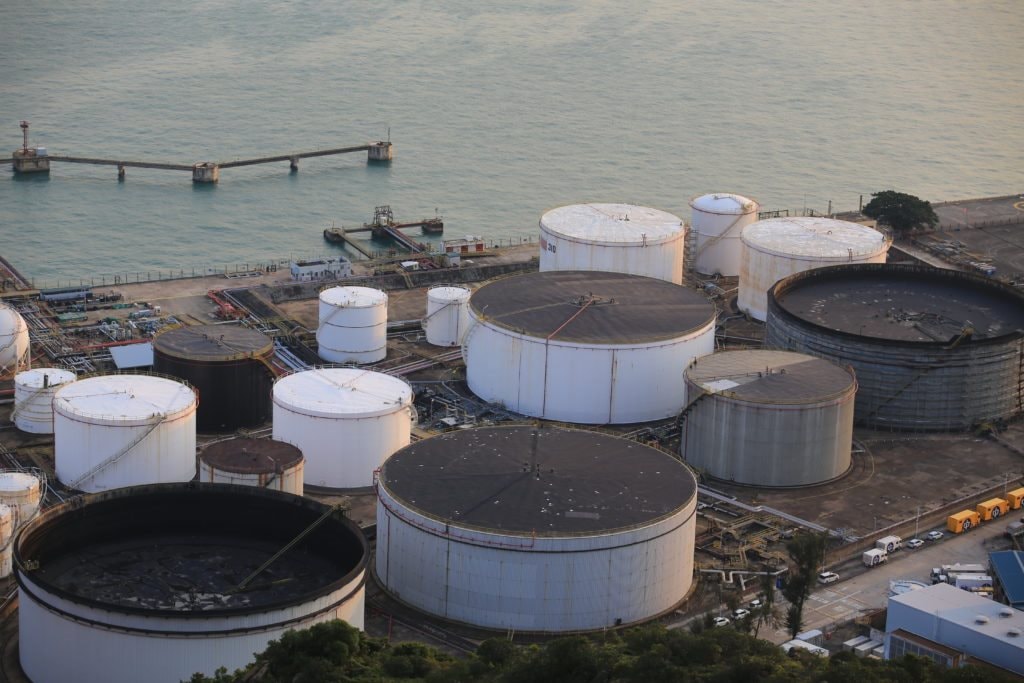
RISING TENSIONS IN THE MIDDLE EAST CONTINUE TO PUT PRESSURE ON THE OIL MARKET
Missile and drone attacks targeting Riyadh and oil infrastructure in Yanbu are raising concerns over energy supplies in the Middle East. Yemen’s Houthi forces claimed to have carried out attacks on what they described as “sensitive” targets in Riyadh, while also targeting a Saudi Aramco facility in Yanbu, one of Saudi Arabia’s key oil export […]
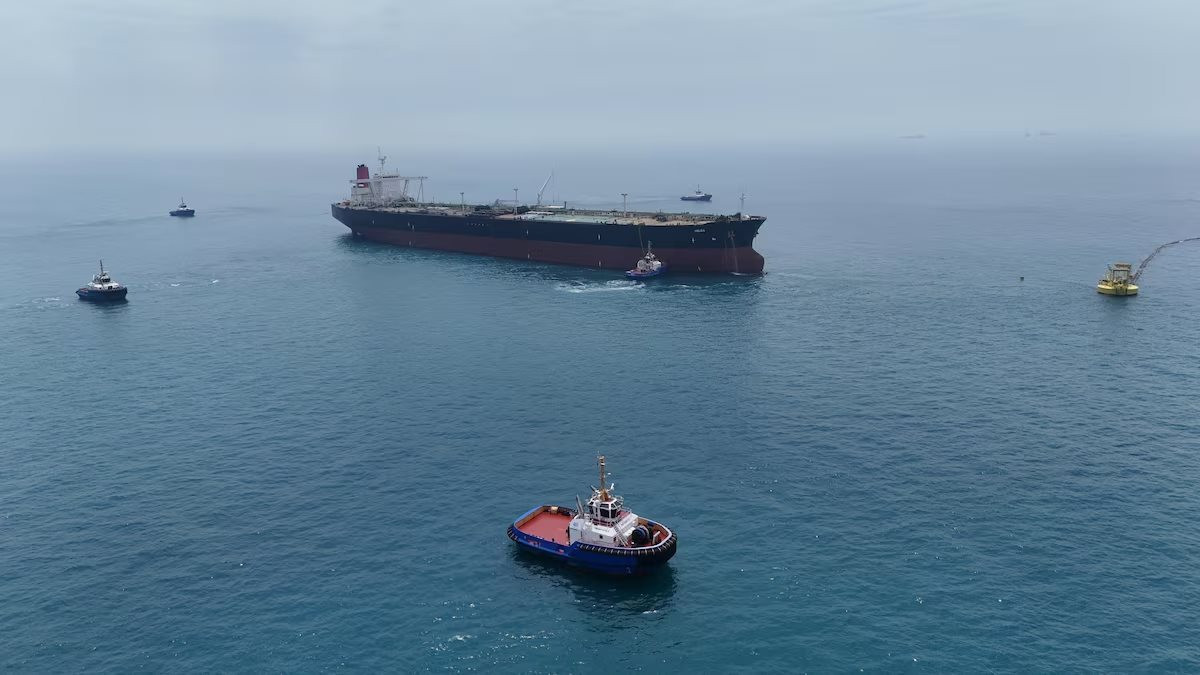
STRAIT OF HORMUZ NEARLY PARALYZED: ONLY 4 VESSELS PASSED THROUGH IN ONE DAY
According to Reuters, only four commercial vessels passed through the Strait of Hormuz on September 15, compared with an average of around 125–140 vessels per day before the conflict. The sharp decline in maritime traffic is raising significant concerns for global shipping, supply chains, and energy markets. The Strait of Hormuz is one of the […]

INTERLINK MINI DANCE CHALLENGE – CLOSING THE DANCE COURSE WITH CONNECTION AND MEMORABLE MOMENTS
On September 15, 2026, Interlink organized the “Mini Dance Challenge”, a dance competition marking the closing of a training course for valued partners and Interlink employees after 12 sessions of learning and practice. More than just a platform for participants to showcase the dance moves they had developed throughout the course, the event was also […]
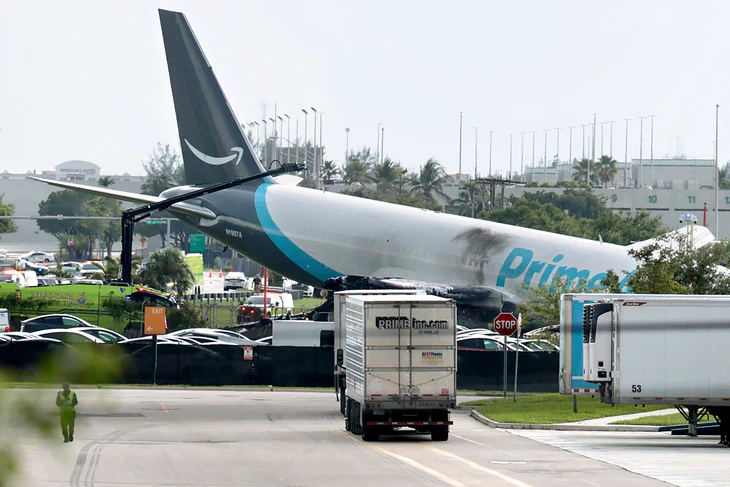
AMAZON SUSPENDS OPERATIONS WITH 21 AIR FOLLOWING MIAMI CARGO PLANE CRASH
Amazon has announced that it is temporarily suspending operations with cargo airline 21 Air following a serious accident at Miami International Airport in the United States. On September 6, 2026, a Boeing 767-300 operated by 21 Air as part of the Amazon Air network crashed while landing at Miami International Airport. The aircraft subsequently collided […]
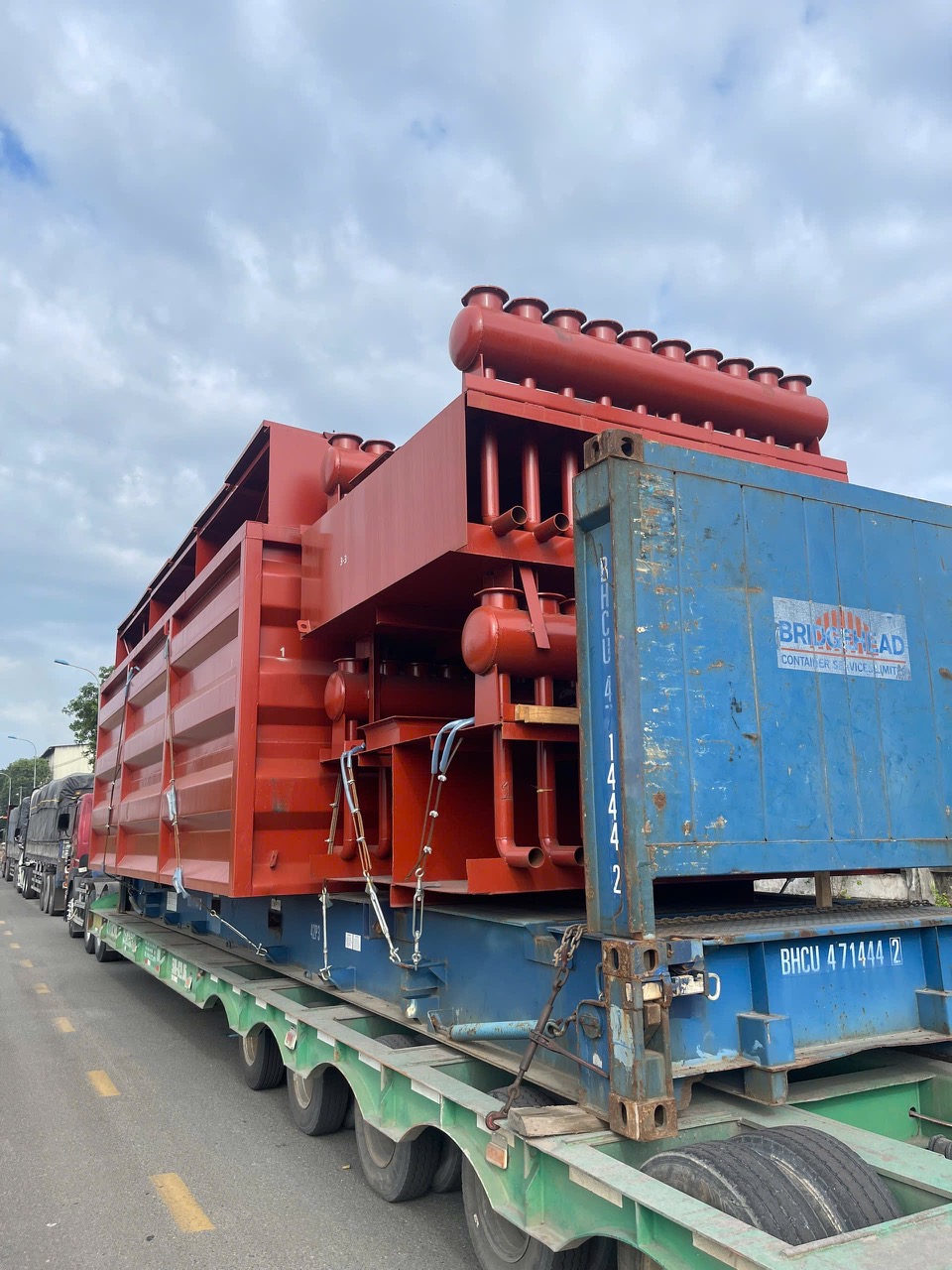
INTERLINK COMPLETES BOILER SYSTEM TRANSPORTATION PROJECT FROM CHINA TO MY XUAN A INDUSTRIAL PARK
In project logistics, transporting large-scale industrial equipment with complex structures requires more than simply moving cargo from one location to another. It requires careful planning, appropriate transportation solutions, strict cargo securing procedures, and close coordination throughout the entire logistics process. Interlink has recently completed the transportation of a steel boiler system from China to My […]
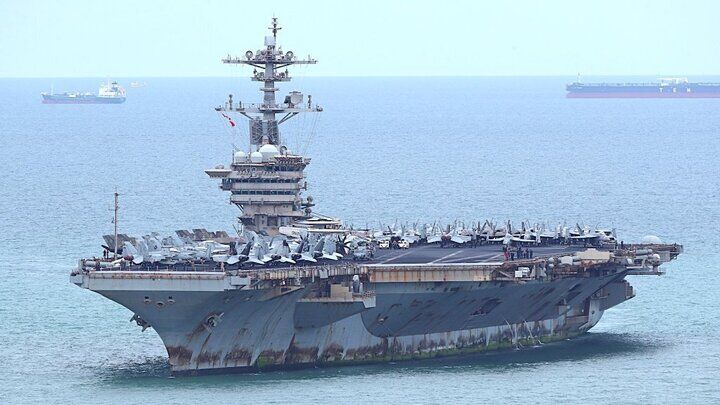
286 DAYS AT SEA: US AIRCRAFT CARRIER SHOWS SIGNS OF AN ARDUOUS JOURNEY
After 286 consecutive days at sea, the nuclear-powered aircraft carrier USS Abraham Lincoln arrived at Laem Chabang Port in Thailand on September 2. Images taken after its arrival showed large areas of rust and marine growth around the ship’s waterline, providing visible evidence of the long period the vessel spent operating at sea. USS Abraham […]
218,000 BARRELS/DAY AT RISK OF SHORTAGE: MARINE FUEL SUPPLIES COME UNDER PRESSURE
The global marine fuel market is facing a potential supply shortage in Q3 2026 as refineries come under pressure from prolonged geopolitical conflicts and supply disruptions. According to Reuters, the shortfall in fuel oil used by ships and power plants could reach 218,000 barrels per day, a sharp increase from just around 6,000 barrels per […]
7 EXPORT PRODUCTS EXCEEDING USD 10 BILLION IN THE FIRST 8 MONTHS OF 2026
In the first eight months of 2026, seven major Vietnamese export product groups recorded export values exceeding USD 10 billion, reaffirming the strong momentum of Vietnam’s exports and the growing position of Vietnamese products in international markets. Leading the way was Computers, Electronic Products and Components, with an export value of USD 101.059 billion, accounting […]

Contact Us
Get Solutions Now
We respond to all requests within 24 hours.
 0937 48 18 98


