


By interlink | 28/06/2024
.png)

.png)
.png)
.png)
How is Artificial Intelligence (AI) Changing How Logistics Operates?
Artificial intelligence (AI) technology plays a crucial role in logistics, offering significant potential and benefits to the industry. It improves operational efficiency, forecasts demand, manages risks, enhances customer experience, and reduces costs. With the continuous development of AI technology, the logistics industry will continue to improve and advance in the future. Below is an assessment of AI technology’s impact on the future of logistics.
AI optimizes supply chain management
Have you ever imagined that one day, robots will replace humans in supply chain management? This is not just a fictional fantasy but has become a reality thanks to artificial intelligence.
Thanks to its superior information processing capabilities, artificial intelligence allows us to automate the entire process from production to delivery. Robots can receive customer requests and automatically coordinate related processes, from warehousing, quality control, packaging to shipping. Not only does this save time and human labor, but the combination of robots and artificial intelligence also brings high accuracy and fewer errors in supply chain management.
In particular, by analyzing data from millions of transactions, artificial intelligence can provide information and forecasts on resources, warehouse status, and shipping schedules to help supply chain managers make strategic decisions. Thanks to the combination of robots and AI, the supply chain is optimized flexibly, quickly, and efficiently.
Improved shipping efficiency
The ability of artificial intelligence to analyze and process large amounts of data from shipping information systems will help businesses easily track and manage their delivery operations. By collecting, classifying, and applying data, AI has been providing logistics operators with a comprehensive view of the transportation process to implement improvements and optimizations.
Simultaneously, AI is used to optimize transportation plans. Thanks to machine learning and intelligent algorithms, AI can automatically calculate and optimize the supply chain, from allocating transportation vehicles and selecting the most optimal routes to determining the most efficient delivery time and distance. This helps minimize traffic congestion or unexpected incidents, thereby enhancing transportation efficiency and reducing costs for businesses.
Furthermore, AI can also be applied in forecasting and risk management. By continuously collecting information from tracking devices (IoT), AI can predict potential incidents such as vehicle breakdowns or delivery delays to prevent them from occurring before they impact the supply chain. Simultaneously, this technology also helps analyze logistics trends and patterns to provide preventive measures and adjust shipping plans flexibly.
Automating Delivery Processes with AI
In this context, automating delivery processes has significantly improved efficiency and reduced errors for businesses. One application of artificial intelligence in delivery process automation is the use of machine learning to classify packages according to their nature and shipping requirements. Its dexterity allows for quick identification of product types, thereby finding the optimal shipping method to save time and costs.
Furthermore, AI is also applied to dispatching vehicles through automated algorithms. Instead of relying on humans to schedule and call vehicles, the AI system can automatically determine the most efficient shipping schedule. This not only saves time but also minimizes risks and increases the ability to quickly meet customer needs.
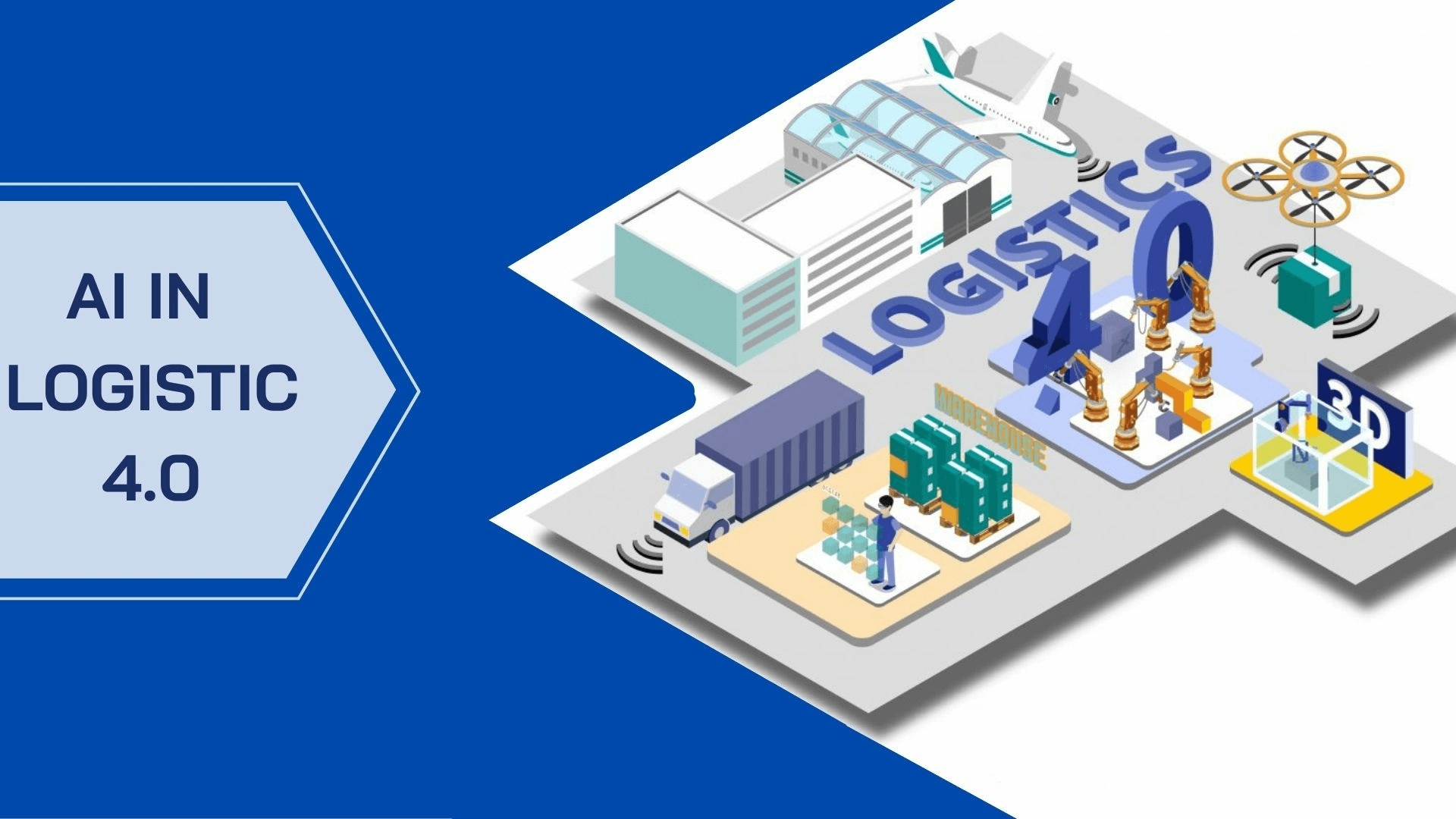
AI Supports Demand Forecasting and Production Planning
In the logistics industry, artificial intelligence (AI) plays a crucial role in demand forecasting and production planning. AI uses complex algorithms to analyze data related to current and past sales, thereby making predictions about future demand. This allows logistics businesses to adjust production plans more flexibly and accurately.
With the support of AI, demand forecasting and production planning become automated and time-saving. This technology not only minimizes human errors but also enhances employee productivity. Thanks to its super-fast information processing capabilities, AI can classify goods based on factors such as product type, weight, or size, thereby helping to reorganize warehouses in a more efficient and space-saving manner.
Artificial intelligence is a vital tool for making optimal decisions in warehouse management. In recent years, artificial intelligence has been integrated into warehouse management systems to automate product quantity checks, track the location of individual items, and search for detailed product information when needed. This technology not only enhances work efficiency but also minimizes human errors.
Optimizing Warehouse Management with AI
Most people probably think that warehouse management is a boring, tedious, and uninteresting job. But the truth is quite the opposite! Warehouse management can be one of the most complex and challenging problems in the logistics field. That’s why optimizing warehouse management has become a noteworthy trend for modern businesses.
Optimizing warehouse management helps logistics companies save both time and costs. By applying intelligent algorithms to determine the appropriate location for each type of goods, businesses can maximize warehouse space and shorten product search times. Simultaneously, efficient warehouse organization increases the ability to adapt to customer demands.
Furthermore, optimized warehouse management provides flexibility in order processing. With the support of AI technology, businesses can automatically determine the appropriate shipping process and plan deliveries quickly. This not only saves time but also increases employee efficiency, thereby improving service quality and competitiveness in the logistics industry.
Smart warehouse management has become a crucial factor in increasing the competitiveness of businesses in the logistics industry. With the continuous development of AI technology, we can believe that the future of warehouse management will bring incredible advancements. Prepare for a revolution in warehouse management.
Market Demand Forecasting
Accurate demand forecasting is a crucial element in effective supply chain management. Without accurate forecasting, external logistics providers can face major problems such as shortages or excess inventory. Using AI makes demand forecasting easier by identifying demand patterns and then generating predictions from historical data analysis – a process that would be time-consuming and expensive if done manually.
In fact, research from McKinsey shows that companies using AI-based forecasting can reduce errors by 20-50%, resulting in a 65% reduction in lost revenue and unavailability.
However, supply chain professionals should not rely solely on AI. Forecasting still requires deep human understanding to make the most accurate decisions. While artificial intelligence algorithms can be a powerful tool in the supply chain, However, to ensure they produce accurate predictions based on data, supply chain managers will need to learn how to configure the tools correctly, choose appropriate algorithms, and continuously analyze the results.
Risk Management
Thanks to its predictive capabilities, AI can help businesses detect potential risks in the supply chain. For example, if an AI model predicts upcoming unstable weather or political instability, it can suggest risk mitigation strategies for the business to analyze and act upon.
Additionally, when businesses use AI for equipment maintenance, the tool can implement predictive maintenance strategies and determine when machinery needs to be inspected. This allows the operations department to plan for downtime and increase reliability through proactive maintenance.
Warehouse Layout Design
Another safe application of AI in logistics is for businesses to use this technology to optimize warehouse picking routes. The goal is to optimize space and enhance efficiency. Many businesses have begun applying AI in their order processing centers. For example, using automated robots and humans together to pick products faster. One leading logistics company even increased labor productivity by 30% while simultaneously reducing operating costs by using AI in the picking process.
In summary
Overall, the groundbreaking applications of AI in the logistics industry that Interlink has just mentioned have been and are bringing enhanced efficiency and convenience to businesses transporting goods. With the increasingly rapid development of technology, we can be confident that in the near future, AI will continue to play a crucial role and bring outstanding benefits to this industry.
NEWS & BLOG
RELATED ARTICLES

286 DAYS AT SEA: US AIRCRAFT CARRIER SHOWS SIGNS OF AN ARDUOUS JOURNEY
After 286 consecutive days at sea, the nuclear-powered aircraft carrier USS Abraham Lincoln arrived at Laem Chabang Port in Thailand on September 2. Images taken after its arrival showed large areas of rust and marine growth around the ship’s waterline, providing visible evidence of the long period the vessel spent operating at sea. USS Abraham […]
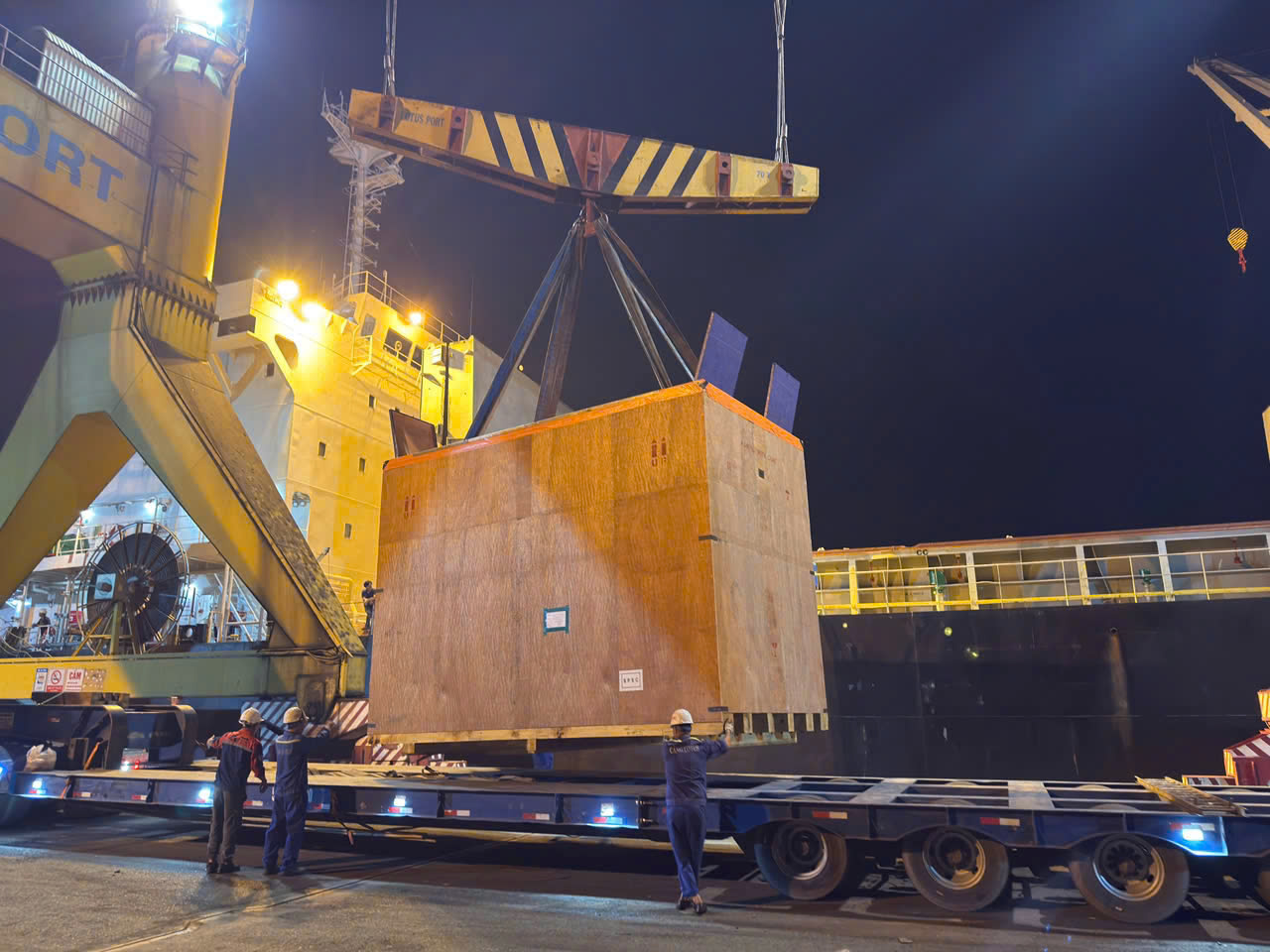
Transporting 2 Super-Heavy Press Machines from Korea: The “Direct Loading” Method Saving 25% in Costs
PROJECT OVERVIEW Interlink successfully managed the transportation of 02 super-heavy press machines imported from South Korea, weighing 48 tons and 59 tons per unit respectively. The shipment traveled from a Korean port to a factory located in My Phuoc 3 Industrial Park, Vietnam. The project demanded a logistics solution that guaranteed absolute safety while optimizing […]

What is the best time to move house or office?
Bạn đang lên kế hoạch di dời, chuyển nhà, văn phòng mà phân vân chưa biết dọn vào mùa nào để công việc được tiến hành tốt nhất. Một số gợi ý sau sẽ giúp bạn có những thời điểm phù hợp để dọn nhà hiệu quả. Thời điểm di dời, chuyển nhà theo mùa phù hợp có […]
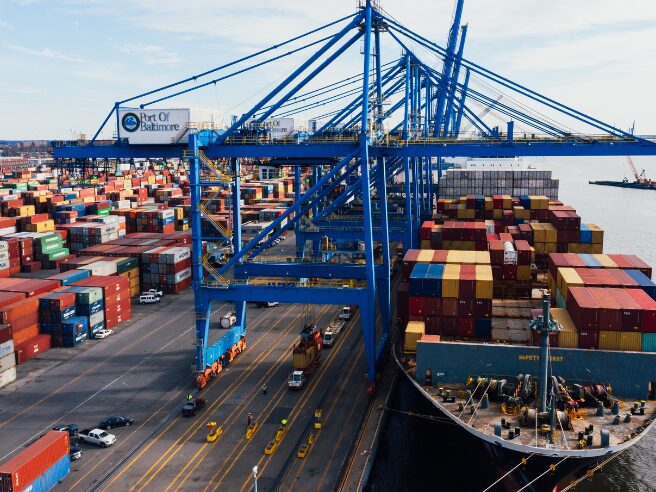
Record-Breaking Container Ship Orders: Risk of Oversupply Lasting Through the Decade?
The global container shipping industry has just recorded a new record in shipbuilding orders. However, behind this seemingly positive figure lies concern about potential overcapacity that could persist for many years, weighing heavily on freight rates and shipping companies’ profits. Container Shipbuilding Orders Exceed Historical Limits According to the latest data from Linerlytica, the number […]
Container freight rates on the Asia-North America route continue to fall sharply despite shipping line cuts.
Asia-North America Container Freight Rates Plummet The Trans-Pacific shipping market continues to see a sharp decline in container freight rates. According to the latest data from Xeneta, spot rates from the Far East of Asia to the United States have fallen significantly since June, despite shipping lines’ efforts to reduce capacity. Far East → US […]

Interlink Company Trip 2025: A journey of connection in Ninh Chu – Vinh Hy
From August 1st to August 3rd, 2025, the Interlink team had a memorable trip to the beautiful Ninh Chu – Vinh Hy coastal region. This wasn’t just an annual trip; it was a special occasion for team members to temporarily leave work, bond, and create unforgettable memories with colleagues – those who have accompanied Interlink […]

The US Issues New Executive Order on Tariffs: What Should Exporting Businesses Be Aware Of?
On July 31, 2025, the U.S. government officially issued an Executive Order adjusting tariffs on reciprocity, directly affecting imported goods from over 80 countries, including Vietnam. This is a strong move to address the long-standing trade deficit and reaffirm the U.S. stance on protecting its supply chains and economic and security interests. So what’s special […]

Interlink Hosts Grand Opening Party for New Office – A Special Meeting Day with Clients & Partners
July 25th, 2025 marked a significant milestone in Interlink’s development journey – the opening party for its new office – Day 2, held to express gratitude to its valued customers and partners who have consistently supported Interlink throughout the years. More than just a welcoming party, this event fostered deep connections, providing an opportunity for […]
Asia-Europe Shipping Rate Update: Stagnation Amidst Volatility and Increased Risk of Port Congestion
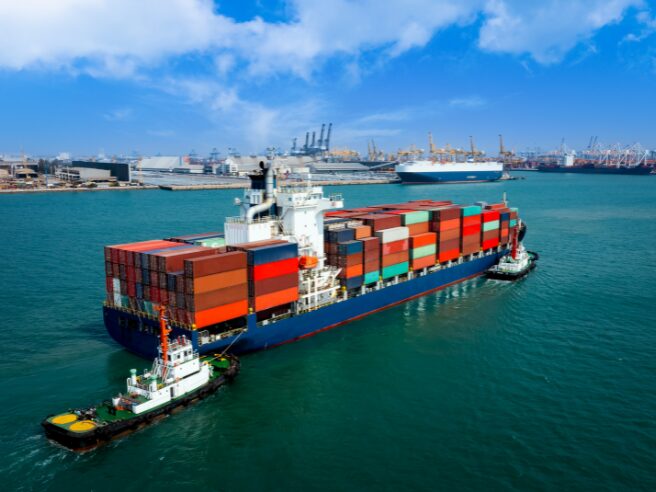
Amidst the volatile global logistics market, the upward trend in Asia-Europe shipping rates has shown signs of slowing after six consecutive weeks of increases. However, according to experts, this may only be a “temporary pause” before the market enters a new cycle of volatility, with many challenges quietly accumulating – especially port congestion in Europe. […]
Transporting a 5-Ton Stone Buddha Statue and 5-Ton Stone Pedestal – A Special Trip to South Korea
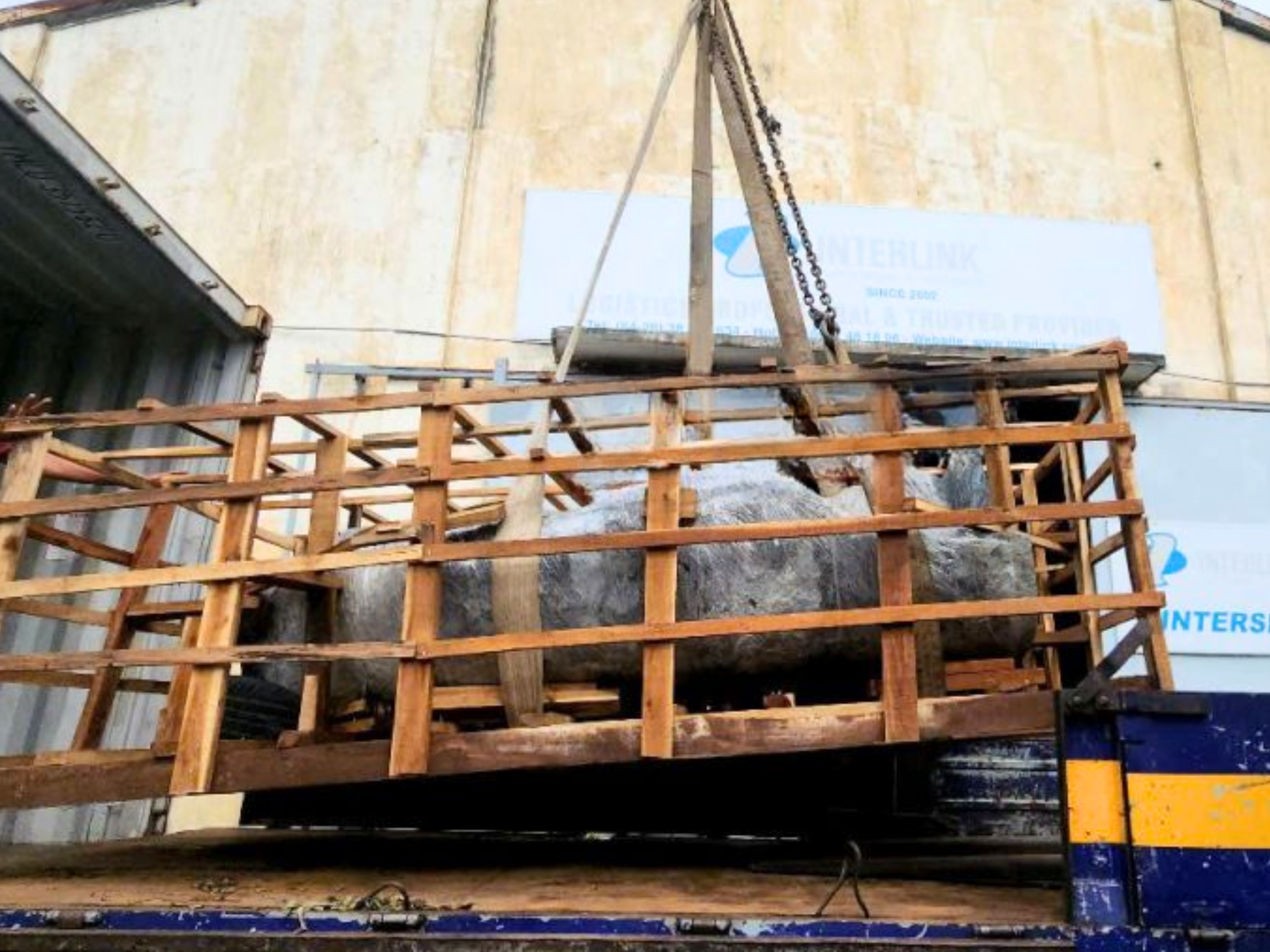
PROJECT OVERVIEW The project to transport a monolithic stone Buddha statue from Vietnam to South Korea is not simply a logistics transaction, but a journey to carry a cultural symbol and a revered belief across thousands of kilometers. Detailed Shipment Information: Items: Monolithic stone Buddha statue (5 tons) and stone base (5 tons). Accessories: Decorative […]

Contact Us
Get Solutions Now
We respond to all requests within 24 hours.
 0937 48 18 98


