


By interlink | 05/10/2026
.png)

.png)
.png)
.png)
More Than 3,500 Businesses Rush into China’s Russian Goods Market — Then the Boom Quickly Turns Sour
Russia–China trade reached a record USD 244.8 billion in 2024, fueling a rapid surge in the popularity of Russian consumer products in the Chinese market. Thousands of businesses quickly entered the sector. However, the market soon began showing signs of instability as misrepresentation of product origin undermined consumer trust.
The “Russian Goods” Boom in China
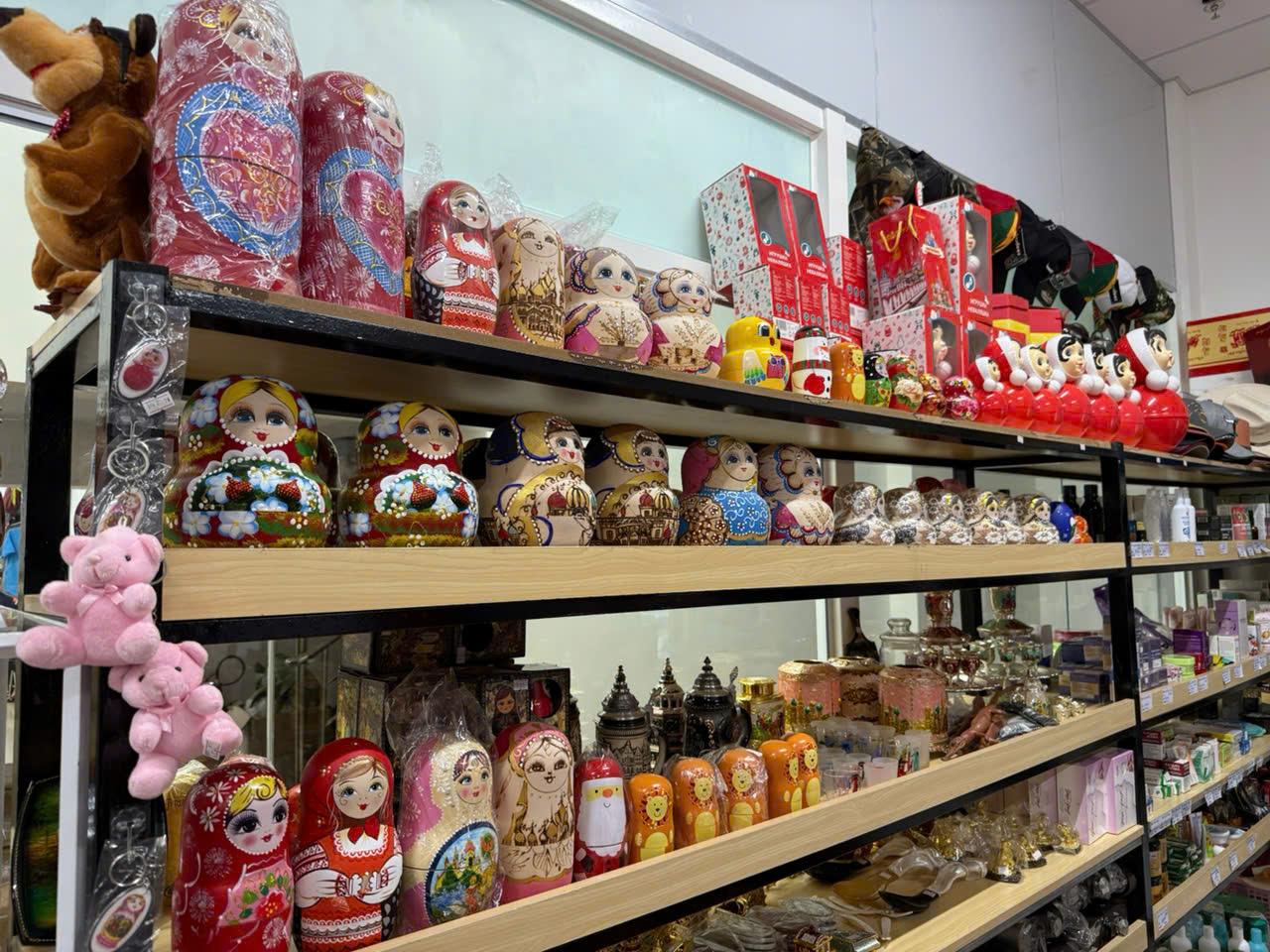
In 2024, products marketed as Russian-origin goods became increasingly popular across China.
From chocolate, bread, honey and sausages to beverages, numerous stores adopted Russian-themed designs, using Cyrillic characters and distinctive Russian imagery to attract consumers.
The trend was not limited to traditional retail stores. On online platforms, particularly Douyin, numerous livestreams promoted products marketed as Russian goods.
According to data cited by CafeF, the number of businesses registered in China with activities related to Russian goods increased by more than 20%, reaching 841 businesses by the end of 2024.
By early 2025, more than 3,500 businesses related to Russian goods had been registered across China. This figure includes various types of businesses involved in activities related to Russian products and does not necessarily mean that all 3,500 were retail stores.
When “Russian Goods” Are Not Necessarily Russian-Made
The rapid growth of the market has also brought a significant challenge to light.
Investigations and inspections conducted from late 2024 found that some stores were using Russian imagery and branding to sell products that were actually manufactured in China or other third countries.
The issue did not only affect businesses engaging in misleading practices.
Genuine Russian manufacturers were also impacted as consumers became increasingly skeptical about the authenticity and origin of products sold under the “Russian” label.
One Russian confectionery company reportedly had to spend considerable effort convincing customers that its products were genuinely made in Russia.
This highlights a major paradox in the market: legitimate businesses can also suffer from the actions of companies that fail to operate transparently.
The Boom Quickly Loses Momentum
As consumer confidence declined, the market quickly changed direction.
Less than a year after Russian-themed stores began appearing widely, many locations had already closed. In Hangzhou, for example, several stores ceased operations, while others were forced to liquidate their inventory.
The Russian Export Center in China has warned that using “Russian” imagery as a marketing tool without ensuring the authenticity of the products can mislead consumers and directly affect legitimate exporters.
Relevant organizations are now focusing on strengthening official sales channels while improving mechanisms for product verification and traceability.
Why Origin Matters More Than Ever in International Trade
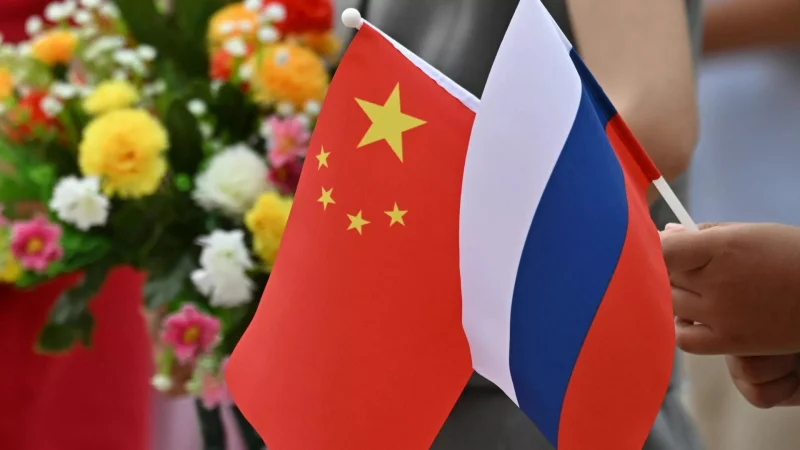
The story of Russian goods in China highlights an important reality of modern international trade:
Price and appearance are no longer the only factors determining a product’s competitiveness.
As supply chains become increasingly complex, consumers and trading partners are paying greater attention to:
- The actual origin of goods.
- Certificates and supporting documentation.
- Product traceability.
- Supply chain transparency.
- The reputation of manufacturers, exporters and distributors.
For import-export activities in particular, controlling information related to product origin and commercial documentation is not only a matter of regulatory compliance but can also directly affect a company’s reputation and its ability to access international markets.
A product may quickly become a market sensation through effective marketing, but long-term success depends on building trust that can be verified.
Key Lessons for Import-Export Businesses
International markets offer significant opportunities, but they also come with increasingly stringent requirements for transparency.
The story of more than 3,500 businesses entering China’s Russian goods market, followed by the closure of many Russian-themed stores, provides a clear example: when the origin of goods is misrepresented, the damage extends beyond individual businesses and can affect the reputation of an entire product category.
For import-export businesses, therefore, standardizing documentation, ensuring accurate origin information and building a transparent supply chain are becoming increasingly important competitive advantages.
In today’s global trade environment, credibility is not simply a brand value — it is an essential part of the supply chain.
NEWS & BLOG
RELATED ARTICLES
SMART WAREHOUSING IS CHANGING THE LOGISTICS GAME: THE “KEY” LIES IN SOFTWARE!
Rising facility costs, increasing labor expenses, and growing demands for speed, accuracy, and inventory visibility are putting greater pressure on businesses. So, what is the solution to the warehouse challenges of the modern era? According to Alessandro Duca, Managing Director of ICAM Asia-Pacific, one of the key factors enabling businesses to enter the era of […]
RISING TENSIONS IN THE MIDDLE EAST CONTINUE TO PUT PRESSURE ON THE OIL MARKET
Missile and drone attacks targeting Riyadh and oil infrastructure in Yanbu are raising concerns over energy supplies in the Middle East. Yemen’s Houthi forces claimed to have carried out attacks on what they described as “sensitive” targets in Riyadh, while also targeting a Saudi Aramco facility in Yanbu, one of Saudi Arabia’s key oil export […]
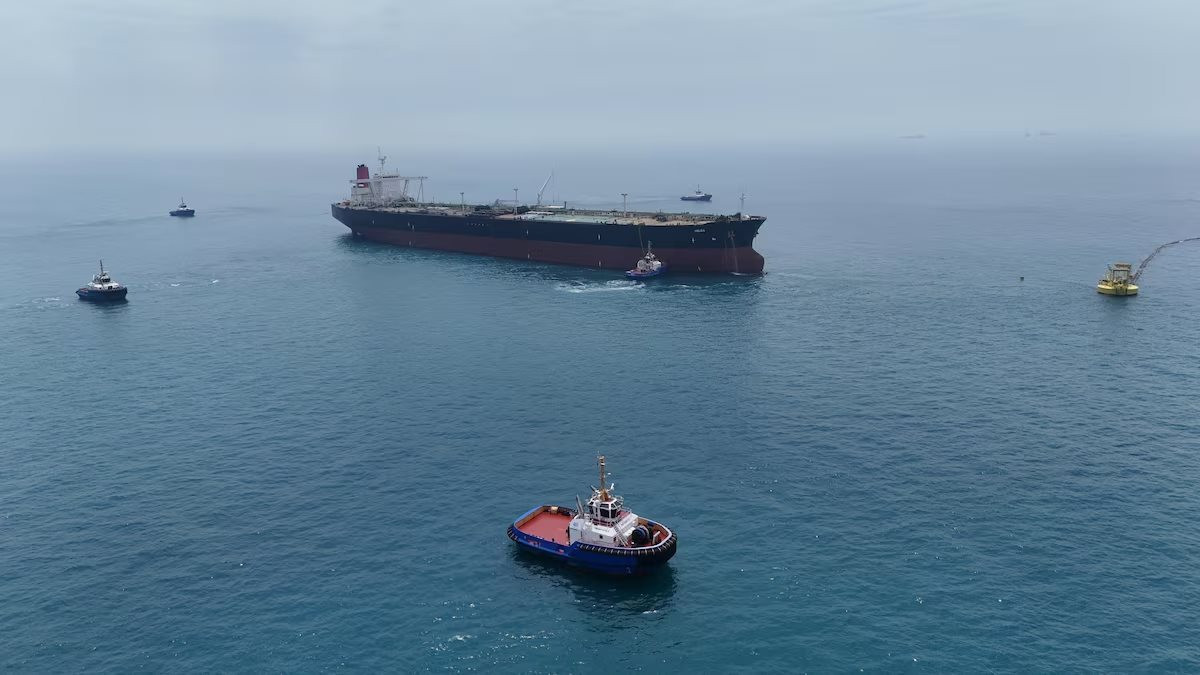
STRAIT OF HORMUZ NEARLY PARALYZED: ONLY 4 VESSELS PASSED THROUGH IN ONE DAY
According to Reuters, only four commercial vessels passed through the Strait of Hormuz on September 15, compared with an average of around 125–140 vessels per day before the conflict. The sharp decline in maritime traffic is raising significant concerns for global shipping, supply chains, and energy markets. The Strait of Hormuz is one of the […]
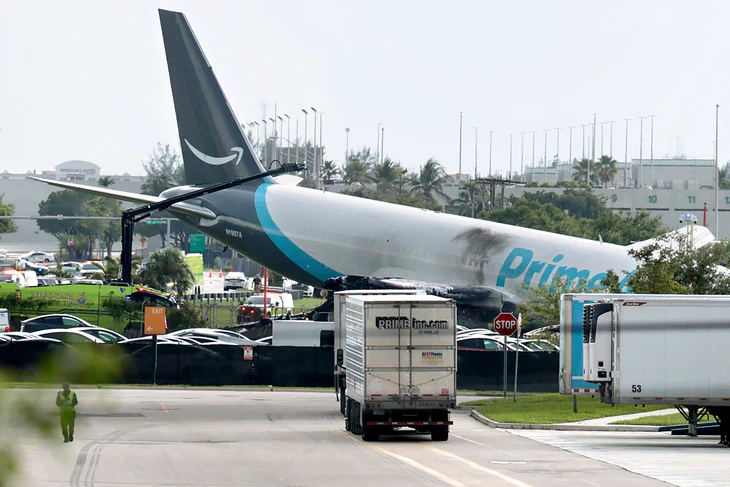
AMAZON SUSPENDS OPERATIONS WITH 21 AIR FOLLOWING MIAMI CARGO PLANE CRASH
Amazon has announced that it is temporarily suspending operations with cargo airline 21 Air following a serious accident at Miami International Airport in the United States. On September 6, 2026, a Boeing 767-300 operated by 21 Air as part of the Amazon Air network crashed while landing at Miami International Airport. The aircraft subsequently collided […]
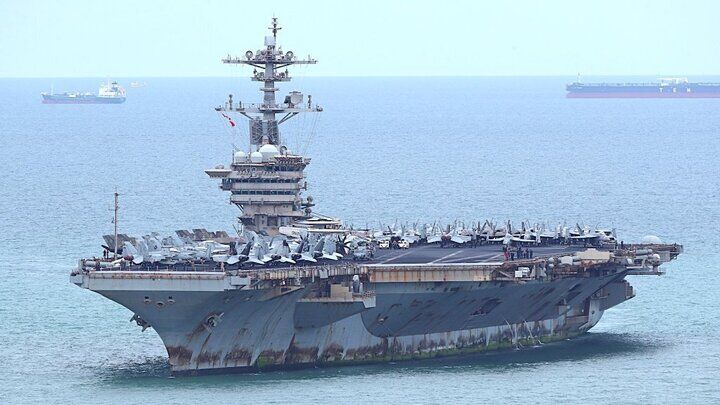
286 DAYS AT SEA: US AIRCRAFT CARRIER SHOWS SIGNS OF AN ARDUOUS JOURNEY
After 286 consecutive days at sea, the nuclear-powered aircraft carrier USS Abraham Lincoln arrived at Laem Chabang Port in Thailand on September 2. Images taken after its arrival showed large areas of rust and marine growth around the ship’s waterline, providing visible evidence of the long period the vessel spent operating at sea. USS Abraham […]
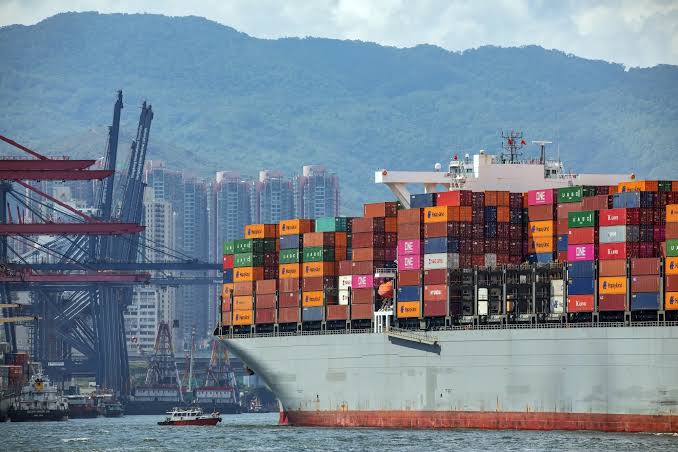
218,000 BARRELS/DAY AT RISK OF SHORTAGE: MARINE FUEL SUPPLIES COME UNDER PRESSURE
The global marine fuel market is facing a potential supply shortage in Q3 2026 as refineries come under pressure from prolonged geopolitical conflicts and supply disruptions. According to Reuters, the shortfall in fuel oil used by ships and power plants could reach 218,000 barrels per day, a sharp increase from just around 6,000 barrels per […]
7 EXPORT PRODUCTS EXCEEDING USD 10 BILLION IN THE FIRST 8 MONTHS OF 2026
In the first eight months of 2026, seven major Vietnamese export product groups recorded export values exceeding USD 10 billion, reaffirming the strong momentum of Vietnam’s exports and the growing position of Vietnamese products in international markets. Leading the way was Computers, Electronic Products and Components, with an export value of USD 101.059 billion, accounting […]
AFTER SEPTEMBER 2: HOW ARE FUEL PRICE FLUCTUATIONS AFFECTING LOGISTICS AND FREIGHT TRANSPORTATION?
Following the September 2 holiday, fuel prices in Vietnam have continued to attract attention from the transportation and logistics industry. While gasoline prices have increased, diesel prices have moved in the opposite direction, creating different impacts across the freight transportation sector. For transportation companies, fuel is one of the largest operating expenses, particularly for road […]

VIETNAM HAS A 150,000-HECTARE BAY – THE “FORGOTTEN PARADISE” ATTRACTING MORE THAN VND 65 TRILLION IN INVESTMENT
Did you know that Vietnam is home to a bay spanning up to 150,000 hectares, featuring exceptional natural landscapes and enormous potential for marine economic development? Once described as a “forgotten paradise,” this area is gradually being revitalized as it attracts more than VND 65 trillion in investment. Beyond its tourism value, the bay also […]
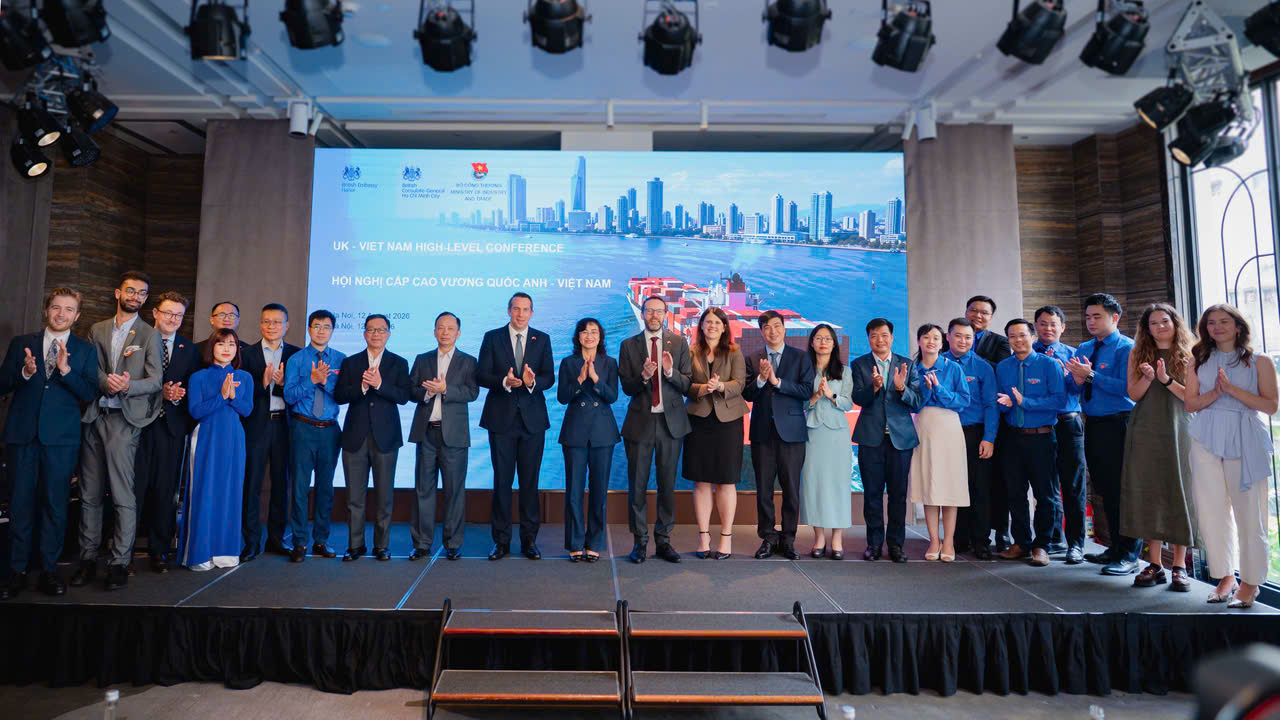
VIETNAM – UK: STRENGTHENING COOPERATION IN AI, FINTECH AND LOGISTICS
The Vietnam–UK High-Level Conference on Artificial Intelligence, Financial Technology, Commodity Derivatives Markets and Logistics highlighted new opportunities for cooperation in sectors that are increasingly shaping economic growth and global integration. Logistics was identified as a key link in the global supply chain. The integration of technology, data and modern financial solutions is creating new opportunities […]

Contact Us
Get Solutions Now
We respond to all requests within 24 hours.
 0937 48 18 98


