


By interlink | 21/05/2024
.png)

.png)
.png)
.png)
The EU’s Import Control System Has a Strong Impact on Vietnamese Businesses.
From June 3, 2024, businesses operating in the logistics, express delivery, sea, air, rail, and related sectors exporting goods from Vietnam to the EU will be required to declare data before goods arrive into the European Customs Union’s ICS2 system.
According to information from the General Department of Customs, starting from June 3, 2024, all businesses operating in the logistics, express delivery, and sea, air, rail, and road transport sectors related to goods exported from Vietnam to the European Union (EU) will have to declare data before goods arrive into the EU’s Import Control System (ICS2).

Vietnamese businesses need to be fully aware of this regulation to avoid serious consequences. Failure to comply may result in shipments being detained at the EU border. Goods may not be cleared by EU customs, or even incomplete or rejected declarations could lead to embargoes due to violations of EU regulations.
The new regulations on the EU’s ICS2 Import Control System are expected to have a significant impact on Vietnamese export businesses.
According to information from the General Department of Customs, the EU prioritizes the security and safety of its citizens and markets. EU-27 goods trade currently accounts for approximately 15% of total annual global trade.
The EU is actively implementing its Customs security and safety program with the deployment of the ICS2 system. This system systematically collects and manages goods information before arrival to further strengthen security controls at border crossings.
The Information Collection Scheme via the ICS2 Import Control System plays a crucial role in strengthening EU customs risk management, as part of the Common Risk Management Framework (CRMF).
The ICS2 system is responsible for collecting data on all goods before they reach EU borders. Businesses are required to declare secure and confidential data on this system, through the Summary Import Declaration (ENS).
Stages of the ICS2 System
The submission of these declarations will be applied unevenly to all businesses depending on the type of service provided in the international transport of goods. The ICS2 system will be implemented in three distinct phases to enhance customs security and risk management more effectively:
- Phase 1: Starting March 15, 2021, for businesses operating in the express delivery, postal, and postal services sectors outside the EU.
- Phase 2: Starting March 1, 2023, expanding application to all three groups from Phase 1, along with freight forwarders, logistics companies, and air transport businesses.
- Phase 3: Expected to start June 3, 2024, will include all groups from the previous two phases plus sea, rail, and road transport businesses, as well as importers within the EU.
The ICS2 system allows for the collection of cargo information before arrival at EU borders and risk analysis. This helps identify security threats early, enabling EU customs authorities to intervene more promptly in the supply chain. It strengthens the protection of EU citizens and markets against terrorist threats, and allows them to identify high-risk shipments early so that appropriate intervention measures can be taken.

27 countries of the European Union
Notes on Declaration Procedures
Businesses exporting to the EU must declare and are legally responsible for the accuracy, completeness, and timeliness of the information on the Import Summary Declaration. Below are some specific requirements that businesses need to note when making the declaration:
- First: The HS code (6 digits) of the goods must be declared to describe their commercial nature. This applies to transactions between businesses and between businesses and customers.
- Second: The registration number and EORI identifier of the consignee in the EU must be declared. This is important information, similar to the business code, and must be provided to the party declaring the Import Summary Declaration. This registration number and identifier can be verified on the EU Commission website (europa.eu) to ensure the accuracy of the information.
- Third: Declare information about the Seller and Buyer, or the owner of the goods in cases where the shipment is not related to a commercial transaction. This must include information about the final destination of the goods within the European Union.
- Fourth: Provide a complete and accurate description of the goods in easily understandable language so that customs authorities can easily identify the nature and type of goods.
Businesses can submit import data to EU customs authorities as a single complete declaration if they have sufficient information. If information is provided by multiple parties in the supply chain, businesses may submit multiple ENS data submissions.
However, EU customs authorities have the right to reject an ENS declaration if they find incomplete information or if risk mitigation measures are required before the goods are loaded onto the vessel or before arrival. In such cases, the declarant must provide complete and accurate data as requested by the customs authorities.
Source: Investment Newspaper
NEWS & BLOG
RELATED ARTICLES
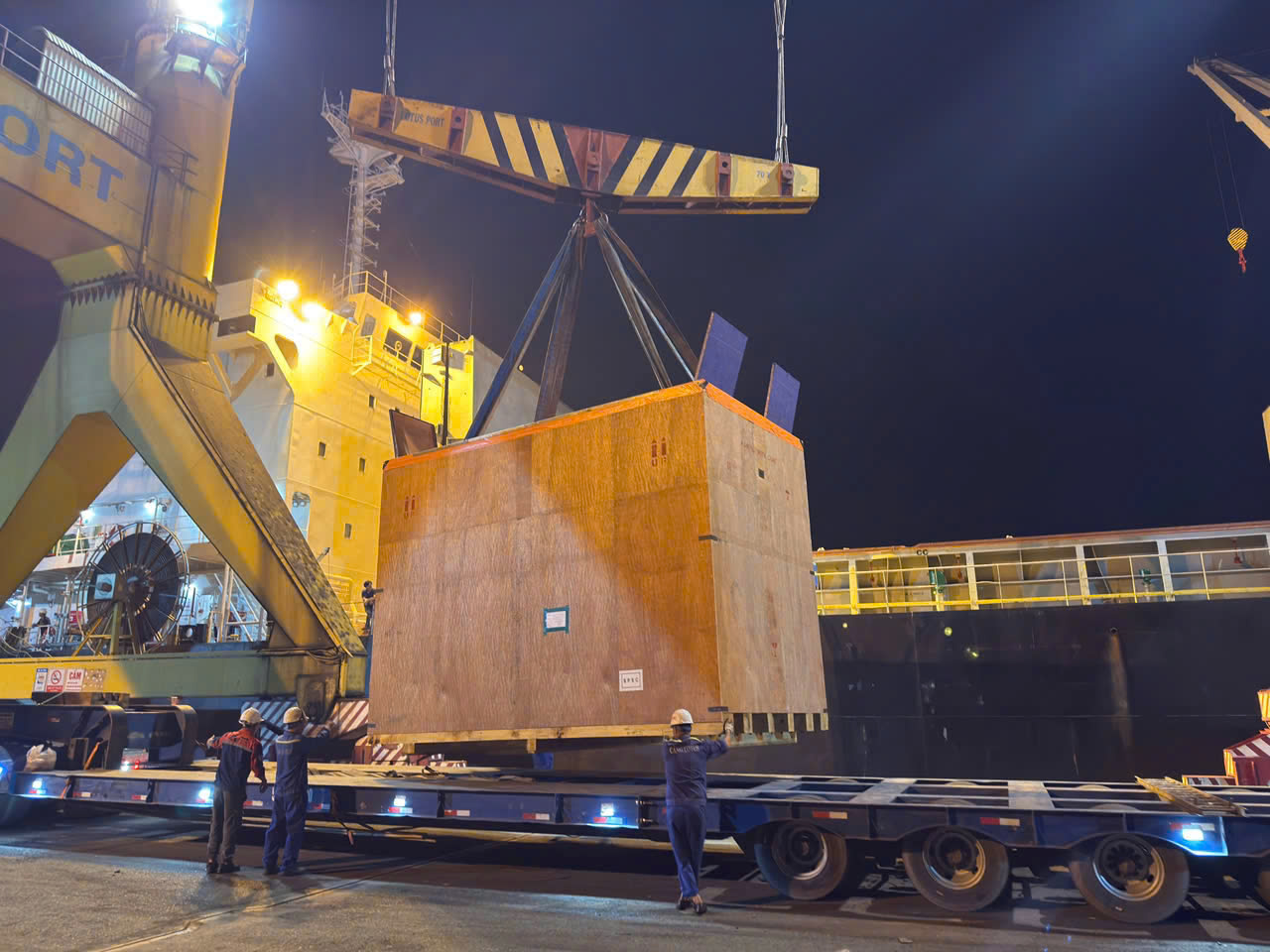
Transporting 2 Super-Heavy Press Machines from Korea: The “Direct Loading” Method Saving 25% in Costs
PROJECT OVERVIEW Interlink successfully managed the transportation of 02 super-heavy press machines imported from South Korea, weighing 48 tons and 59 tons per unit respectively. The shipment traveled from a Korean port to a factory located in My Phuoc 3 Industrial Park, Vietnam. The project demanded a logistics solution that guaranteed absolute safety while optimizing […]

What is the best time to move house or office?
Bạn đang lên kế hoạch di dời, chuyển nhà, văn phòng mà phân vân chưa biết dọn vào mùa nào để công việc được tiến hành tốt nhất. Một số gợi ý sau sẽ giúp bạn có những thời điểm phù hợp để dọn nhà hiệu quả. Thời điểm di dời, chuyển nhà theo mùa phù hợp có […]
Record-Breaking Container Ship Orders: Risk of Oversupply Lasting Through the Decade?
The global container shipping industry has just recorded a new record in shipbuilding orders. However, behind this seemingly positive figure lies concern about potential overcapacity that could persist for many years, weighing heavily on freight rates and shipping companies’ profits. Container Shipbuilding Orders Exceed Historical Limits According to the latest data from Linerlytica, the number […]
Container freight rates on the Asia-North America route continue to fall sharply despite shipping line cuts.
Asia-North America Container Freight Rates Plummet The Trans-Pacific shipping market continues to see a sharp decline in container freight rates. According to the latest data from Xeneta, spot rates from the Far East of Asia to the United States have fallen significantly since June, despite shipping lines’ efforts to reduce capacity. Far East → US […]

Interlink Company Trip 2025: A journey of connection in Ninh Chu – Vinh Hy
From August 1st to August 3rd, 2025, the Interlink team had a memorable trip to the beautiful Ninh Chu – Vinh Hy coastal region. This wasn’t just an annual trip; it was a special occasion for team members to temporarily leave work, bond, and create unforgettable memories with colleagues – those who have accompanied Interlink […]

The US Issues New Executive Order on Tariffs: What Should Exporting Businesses Be Aware Of?
On July 31, 2025, the U.S. government officially issued an Executive Order adjusting tariffs on reciprocity, directly affecting imported goods from over 80 countries, including Vietnam. This is a strong move to address the long-standing trade deficit and reaffirm the U.S. stance on protecting its supply chains and economic and security interests. So what’s special […]

Interlink Hosts Grand Opening Party for New Office – A Special Meeting Day with Clients & Partners
July 25th, 2025 marked a significant milestone in Interlink’s development journey – the opening party for its new office – Day 2, held to express gratitude to its valued customers and partners who have consistently supported Interlink throughout the years. More than just a welcoming party, this event fostered deep connections, providing an opportunity for […]
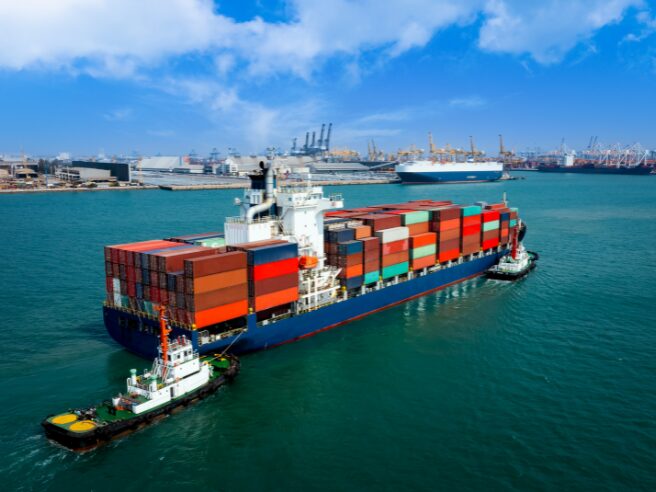
Asia-Europe Shipping Rate Update: Stagnation Amidst Volatility and Increased Risk of Port Congestion
Amidst the volatile global logistics market, the upward trend in Asia-Europe shipping rates has shown signs of slowing after six consecutive weeks of increases. However, according to experts, this may only be a “temporary pause” before the market enters a new cycle of volatility, with many challenges quietly accumulating – especially port congestion in Europe. […]
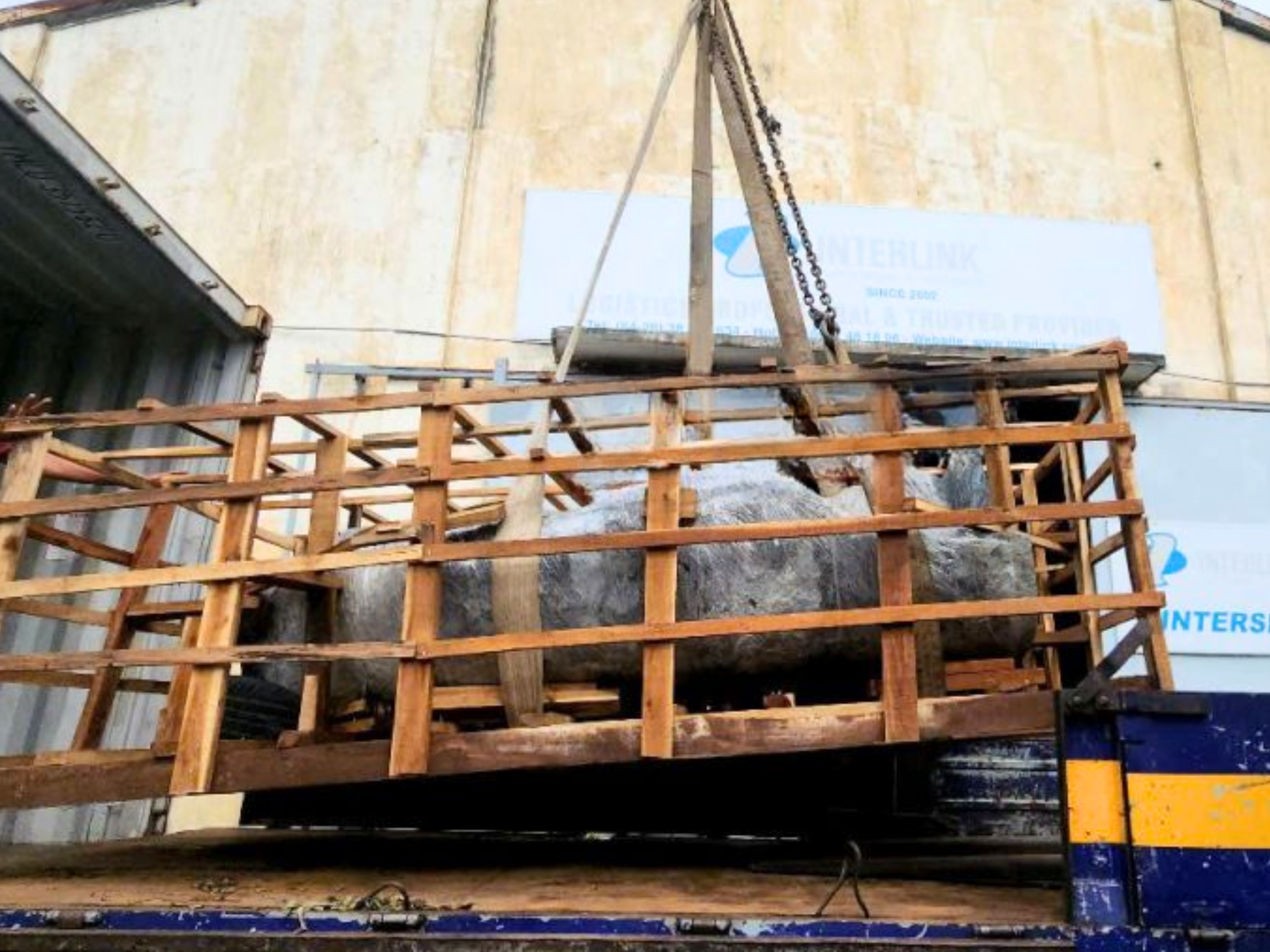
Transporting a 5-Ton Stone Buddha Statue and 5-Ton Stone Pedestal – A Special Trip to South Korea
PROJECT OVERVIEW The project to transport a monolithic stone Buddha statue from Vietnam to South Korea is not simply a logistics transaction, but a journey to carry a cultural symbol and a revered belief across thousands of kilometers. Detailed Shipment Information: Items: Monolithic stone Buddha statue (5 tons) and stone base (5 tons). Accessories: Decorative […]
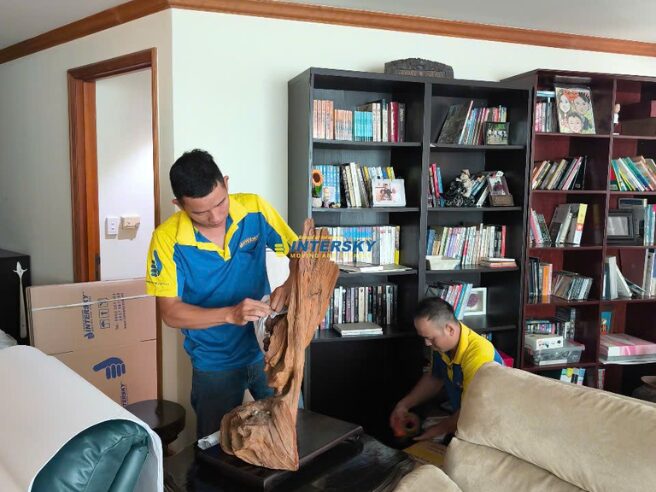
Moving from Vietnam to Taiwan – Easier Than You Think with Interlink
Interlink recently assisted a customer in completing a household relocation from Ho Chi Minh City to Taiwan smoothly, safely, and on schedule. This is not a rare case—it is one of many international moving journeys that Interlink handles every month. From consultation, packing, and customs procedures to final delivery at the new residence, we accompany […]

Contact Us
Get Solutions Now
We respond to all requests within 24 hours.
 0937 48 18 98


